
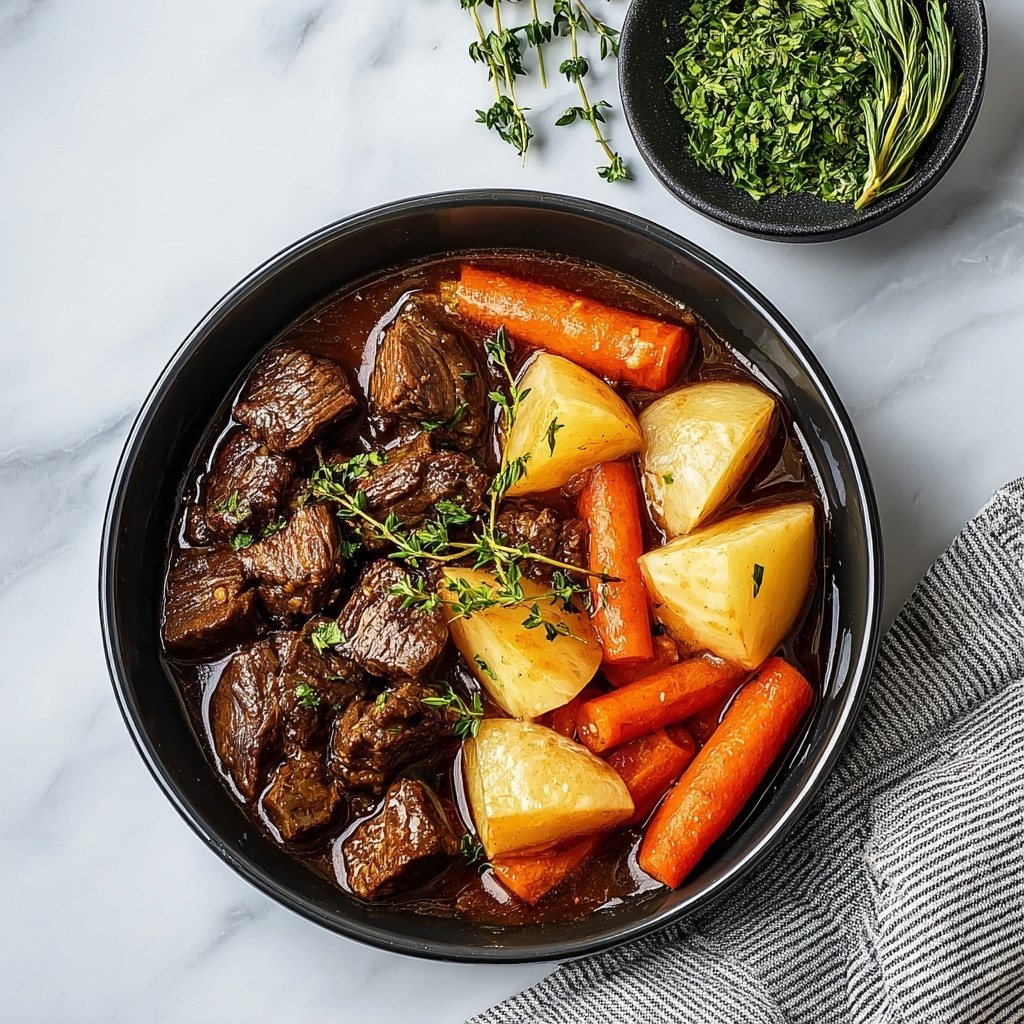
If you’re craving a warm, hearty meal that feels like a comforting hug, this Homemade Beef Stew Recipe is exactly what you need. With tender chunks of beef simmered slowly alongside vibrant carrots, potatoes, and a rich, flavorful broth, every spoonful bursts with savory goodness. This stew is not only a meal but a celebration of simple, wholesome ingredients cooked with love, perfect for cozy nights or sharing with family and friends.
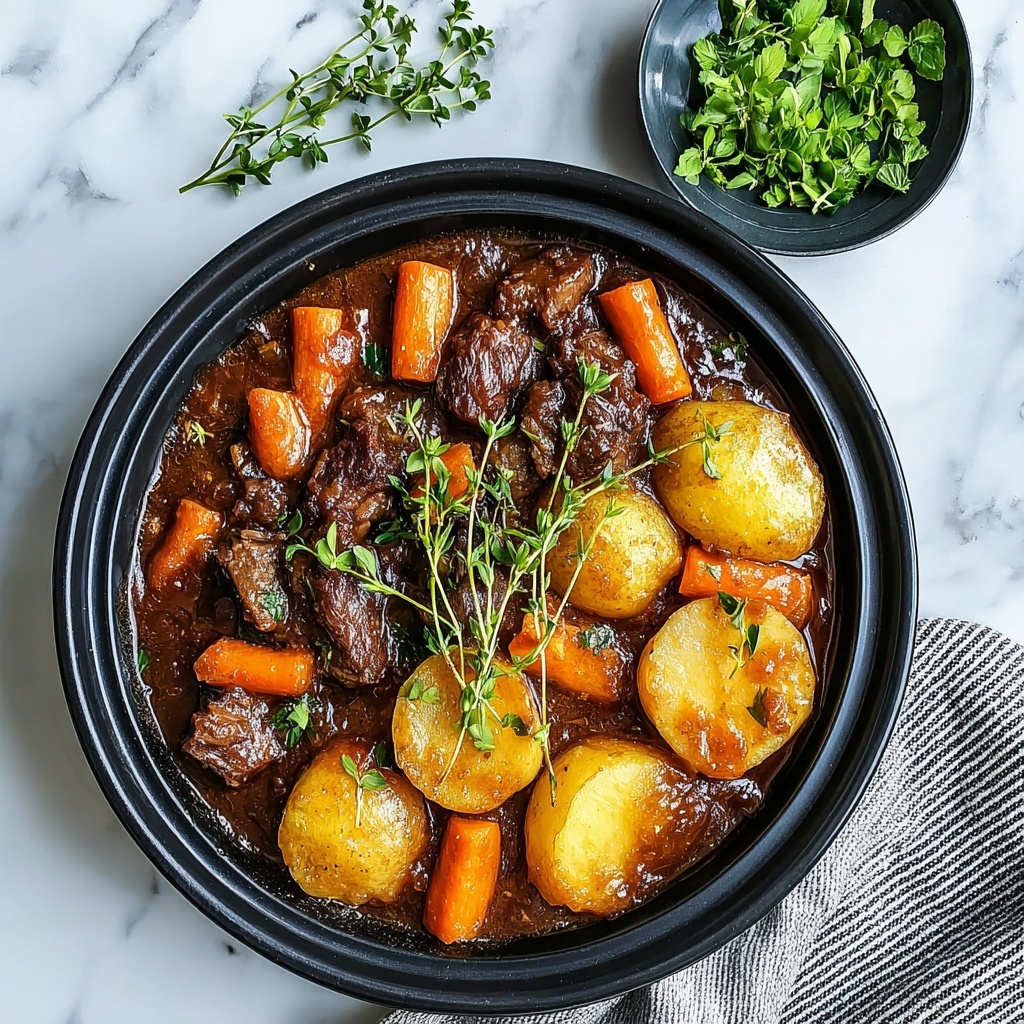
Ingredients You’ll Need
This recipe uses straightforward ingredients that you probably already have on hand. Each one plays a vital role: the beef brings richness and depth, vegetables add texture and natural sweetness, and seasonings elevate every layer of flavor.
- 2 pounds beef stew meat, cut into cubes: Choose well-marbled meat for the juiciest, most tender results.
- 4 tablespoons olive oil: Used for browning the beef, it adds a subtle fruity layer to the base.
- 1 large onion, chopped: Provides a slightly sweet depth that forms the stew’s flavor foundation.
- 3 cloves garlic, minced: Brings a warm, fragrant boost that complements the beef perfectly.
- 4 medium carrots, peeled and sliced: Offer a touch of sweetness and a pop of bright color.
- 3 medium potatoes, peeled and cubed: Add hearty texture and help thicken the stew naturally.
- 2 cups beef broth: Creates the hearty, savory base for the stew’s rich sauce.
- 1 cup water: Balances the broth and helps everything simmer evenly.
- 1 cup red wine: Infuses the stew with deep, robust flavor and tenderizes the meat beautifully.
- 2 teaspoons salt: Essential for enhancing all the flavors.
- 1 teaspoon black pepper: Adds just the right amount of mild heat and complexity.
- 2 teaspoons dried thyme: Brings an earthy, herbaceous note that pairs wonderfully with beef.
- 2 bay leaves: Infuse the stew with subtle aromatic flavors as it simmers.
- 1 tablespoon tomato paste: Lends a rich umami punch and beautiful color.
- 1 tablespoon Worcestershire sauce: Adds a tangy depth and savory undertone.
- 1 teaspoon sugar: Balances acidity and rounds out flavors.
- 1/4 cup flour: Helps thicken the stew into a luscious, velvety sauce.
- 1/4 cup fresh parsley, chopped: Provides a fresh, herbaceous finish that brightens the dish.
How to Make Homemade Beef Stew Recipe
Step 1: Prepare the Pot and Brown the Beef
Start by heating a large Dutch oven or heavy-bottomed pot over medium-high heat. Adding the olive oil creates the perfect surface to brown your beef, which is crucial for developing that rich stew flavor. Season your beef cubes with salt and pepper, then brown them in batches to ensure even searing and avoid overcrowding. Browning locks in juices and adds beautiful caramelization to each piece.
Step 2: Sauté Onions and Garlic
Once your beef is browned and set aside, it’s time for the aromatic base. Use the same pot to sauté chopped onions until they are soft and translucent – this takes about 5 minutes and releases their natural sweetness. Toss in the minced garlic and cook for an additional minute to infuse the oil with its wonderful fragrance. This step sets the stage for all the stew’s complex flavors.
Step 3: Build Depth with Tomato Paste and Flour
Stir in the tomato paste and let it cook for a couple of minutes, intensifying its color and flavor. Sprinkle the flour over your onions and garlic mixture, stirring well to coat everything evenly. Cooking the flour briefly eliminates its raw taste and begins to thicken your stew later on, ensuring a perfect consistency.
Step 4: Deglaze with Red Wine and Add Broth
Pour in the red wine gradually while stirring, scraping up those delicious browned bits stuck to the bottom of the pot. This technique, called deglazing, adds incredible depth to your stew’s flavor. Next, add the beef broth and water, stirring to combine everything into a luscious base ready for simmering.
Step 5: Combine All Ingredients and Simmer
Return the browned beef to the pot along with any juices that have collected. Toss in the carrots, potatoes, thyme, bay leaves, Worcestershire sauce, and sugar. Stir everything gently, ensuring the beef and vegetables are fully submerged. Bring the stew to a boil, then reduce the heat to low, cover, and let it simmer for about 2 hours until the beef is fall-apart tender. This slow simmer is the magic behind every spoonful of your Homemade Beef Stew Recipe.
Step 6: Final Seasoning and Finishing Touches
Once your stew has reached perfect tenderness, taste and adjust the seasoning with more salt or pepper if needed. Remove and discard the bay leaves, then stir in freshly chopped parsley just before serving to add brightness and a fresh finish that will have everyone asking for seconds.
How to Serve Homemade Beef Stew Recipe
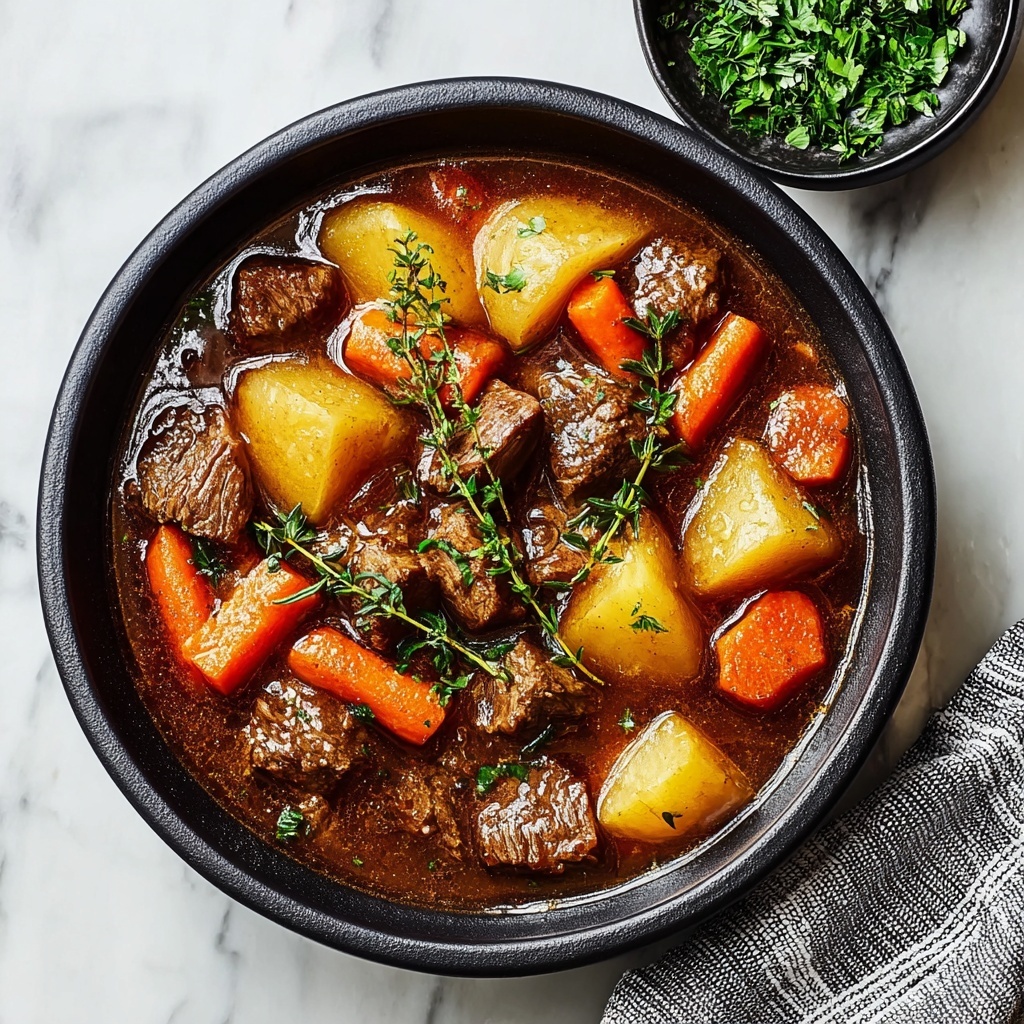
Garnishes
Finishing your stew with fresh parsley is a simple yet effective way to add color and an herbal lift. For an extra touch, sprinkle some cracked black pepper or even a few red chili flakes if you like a hint of heat. These small garnishes bring your bowl of stew to life and make every bite exciting.
Side Dishes
This stew is wonderfully versatile when it comes to sides. Classic crusty bread is perfect for dipping into the rich broth. You can also serve it over fluffy rice or creamy mashed potatoes to soak up all the juices. For a lighter option, steamed green beans or a crisp salad will complement the hearty stew without overwhelming it.
Creative Ways to Present
Looking to impress? Serve your Homemade Beef Stew Recipe in individual bread bowls or rustic casserole dishes for a cozy presentation. Garnishing with a swirl of sour cream or a sprinkle of shredded cheese can also elevate the dish and add surprising layers of flavor and texture that delight every guest.
Make Ahead and Storage
Storing Leftovers
This stew actually tastes even better the next day when the flavors have had time to meld. Store leftovers in an airtight container in the refrigerator for up to 3 days. Be sure to cool it before refrigerating to maintain quality and safety.
Freezing
Homemade Beef Stew Recipe freezes beautifully. Portion it out into freezer-safe containers or heavy-duty zip-top bags, leaving some headspace for expansion. Frozen stew will keep well for up to 3 months, making it a lifesaver for busy nights when you want a comforting meal ready in minutes.
Reheating
Reheat your stew gently on the stovetop over medium-low heat, stirring occasionally until warmed through. If reheating from frozen, thaw overnight in the fridge first for best results. Microwaving is convenient but be sure to heat evenly, stirring halfway through to avoid hot spots.
FAQs
Can I use a slow cooker for this Homemade Beef Stew Recipe?
Absolutely! After browning the beef and sautéing the onions and garlic, transfer everything to a slow cooker. Cook on low for 7-8 hours or high for 4-5 hours. The flavors will meld beautifully, and the beef will be tender and delicious.
What cut of beef works best for stew?
Look for well-marbled, tougher cuts like chuck or round. These become incredibly tender and flavorful after slow cooking, making your stew rich and satisfying.
Can I skip the red wine?
If you prefer not to use wine, you can substitute an equal amount of extra beef broth or a splash of balsamic vinegar for acidity. While the wine adds depth, the stew will still be delicious and hearty without it.
How thick should the stew sauce be?
The sauce should coat the back of a spoon, thick but still saucy enough to pour over the meat and veggies. If it’s too thin, you can simmer it uncovered a bit longer to reduce, or stir in a slurry of flour and water to thicken.
Can I add other vegetables to this stew?
Definitely! Feel free to include mushrooms, celery, parsnips, or peas for added texture and flavor. Just be mindful of cooking times to keep everything tender and perfectly cooked.
Final Thoughts
This Homemade Beef Stew Recipe is a true classic that always delivers on comfort and flavor. It’s the kind of dish that brings people together around the table and fills the kitchen with inviting aromas that feel like home. Whether you’re making it for a busy weeknight or a weekend gathering, this stew is guaranteed to become one of your family favorites. Give it a try, and enjoy every cozy, delicious bite!
Print
Homemade Beef Stew Recipe
- Prep Time: 0h 20m
- Cook Time: 2h 0m
- Total Time: 2h 20m
- Yield: 6 servings
- Category: Main Course
- Method: Stovetop
- Cuisine: American
Description
This homemade beef stew recipe is a hearty and comforting dish featuring tender beef cubes simmered with fresh vegetables in a rich, flavorful broth made with red wine, tomato paste, and herbs. Perfect for chilly days, this stew is cooked slowly on the stovetop to develop deep flavors and melt-in-your-mouth textures.
Ingredients
Meat and Seasoning
- 2 pounds beef stew meat, cut into cubes
- 2 teaspoons salt
- 1 teaspoon black pepper
- 1 teaspoon sugar
Vegetables
- 1 large onion, chopped
- 3 cloves garlic, minced
- 4 medium carrots, peeled and sliced
- 3 medium potatoes, peeled and cubed
- 1/4 cup fresh parsley, chopped
Liquids and Sauces
- 4 tablespoons olive oil
- 2 cups beef broth
- 1 cup water
- 1 cup red wine
- 1 tablespoon tomato paste
- 1 tablespoon Worcestershire sauce
Herbs and Spices
- 2 teaspoons dried thyme
- 2 bay leaves
Thickening Agent
- 1/4 cup flour
Instructions
- Heat the pot: Heat a large Dutch oven or heavy-bottomed pot over medium-high heat to prepare for browning the meat.
- Add olive oil: Pour in the olive oil and allow it to heat up until shimmering.
- Brown the beef: Season the beef cubes with salt and pepper and add them to the pot in batches. Brown all sides thoroughly to lock in flavor, then remove the beef and set aside.
- Sauté onions: In the same pot, add the chopped onions and cook until soft and translucent, about 5 minutes, scraping up browned bits.
- Add garlic: Stir in the minced garlic and cook for an additional minute until fragrant.
- Incorporate tomato paste: Mix in the tomato paste and cook for 2 minutes to deepen its flavor.
- Use flour for thickening: Sprinkle flour over the onion and garlic mixture and stir to coat evenly. Cook for about a minute to remove the raw flour taste.
- Deglaze with red wine: Slowly add the red wine, stirring constantly and scraping the pot’s bottom to lift any browned bits.
- Add broth and water: Pour in the beef broth and water, stirring to combine all ingredients.
- Return beef to pot: Add the browned beef back into the pot along with any juices that collected.
- Add vegetables and herbs: Add in the sliced carrots, cubed potatoes, dried thyme, bay leaves, Worcestershire sauce, and sugar, stirring everything well to ensure the beef and vegetables are submerged.
- Bring to a boil: Increase heat to medium-high and bring the stew to a rolling boil.
- Simmer the stew: Reduce heat to low, cover the pot with a lid, and let the stew simmer gently for about 2 hours, stirring occasionally, until the beef is tender and flavors meld.
- Season to taste: Remove the lid, taste the stew, and adjust salt and pepper as needed.
- Remove bay leaves: Take out and discard the bay leaves before serving.
- Add fresh parsley: Stir in the freshly chopped parsley for a burst of fresh flavor right before serving.
- Serve: Serve the stew hot, ideally with crusty bread or over rice for a complete meal.
Notes
- Brown the beef in batches to prevent overcrowding, which helps achieve a better sear and flavor.
- Simmer the stew slowly to tenderize the meat and allow flavors to develop fully.
- Adjust thickness by adding more broth or letting it reduce uncovered for a thicker consistency.
- Feel free to substitute red wine with more beef broth if you prefer a non-alcoholic version.
- Leftovers keep well and often taste better the next day after flavors have melded.