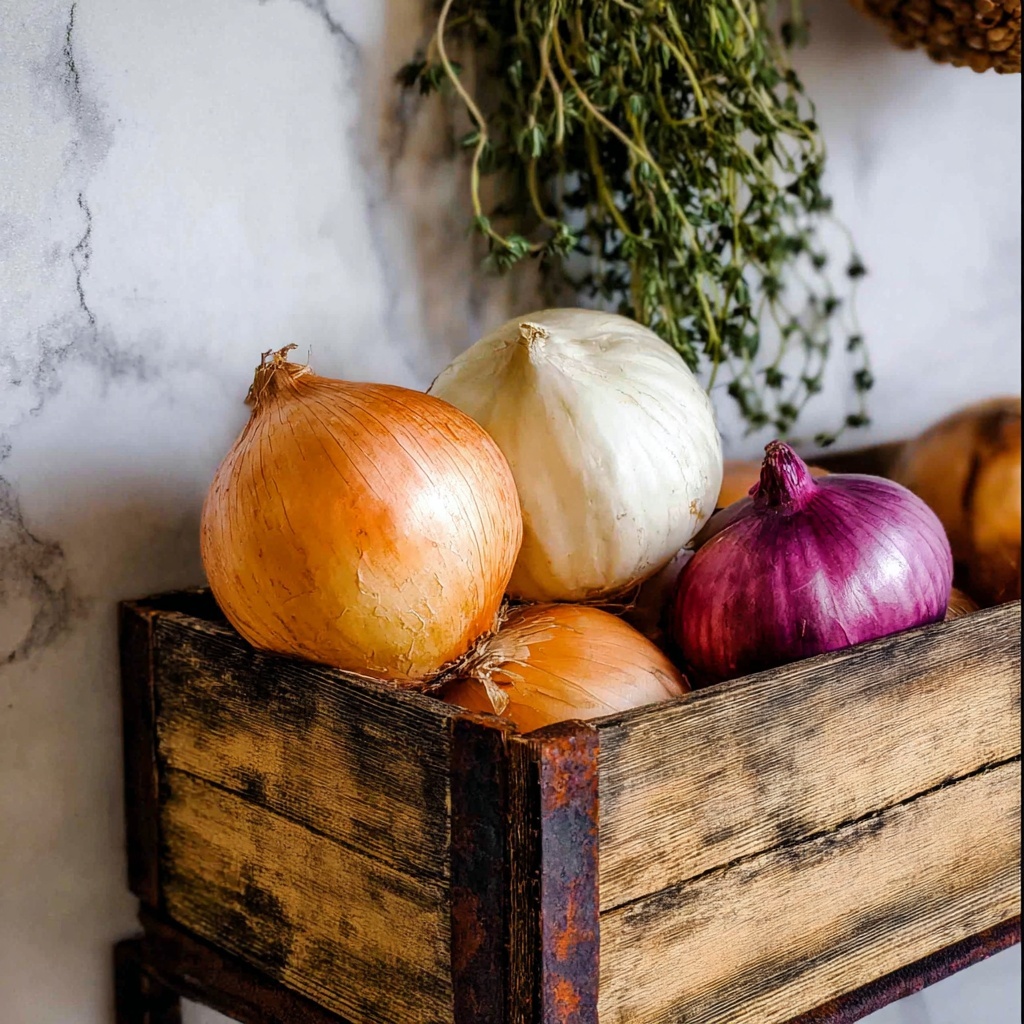
If you’ve ever hesitated in the kitchen because slicing or dicing onions feels intimidating, you are not alone! The delightful art of How to Cut and Prepare Onions: Slicing, Dicing, Ring Slices, and Minced Methods Recipe is a game changer for all skill levels. Mastering these techniques means you can effortlessly create everything from crisp salads to rich stews, enhancing flavors with perfectly cut onions every time. Let’s dive into the straightforward yet essential steps that bring out the best in this humble but powerful vegetable.
Ingredients You’ll Need
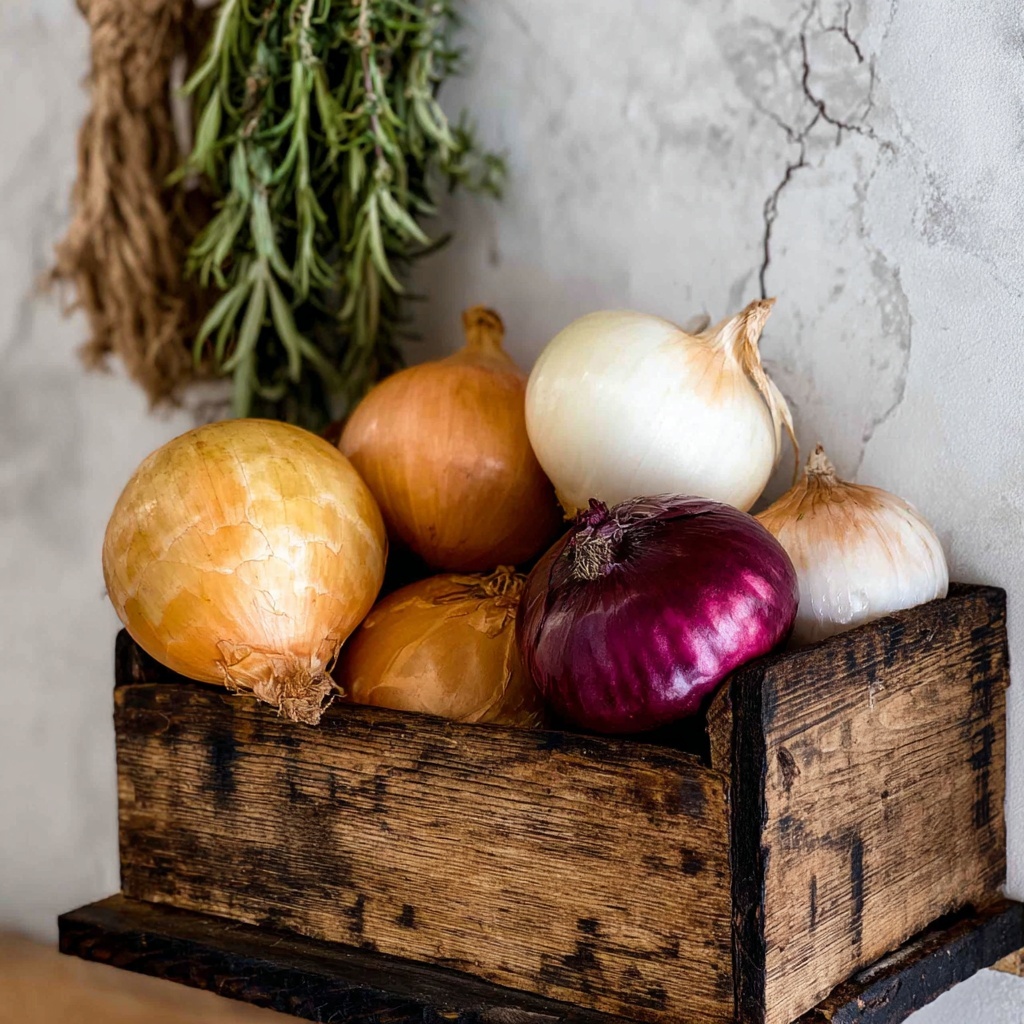
To get started with this versatile preparation, you only need one simple ingredient. Don’t underestimate the onion’s ability to transform your dishes with its distinct taste and texture—it serves as the foundation for countless recipes.
- Onions: Choose firm, dry-skinned onions for the best slicing, dicing, and mincing experience; fresh ones have a crisper texture and a sweeter flavor.
How to Make How to Cut and Prepare Onions: Slicing, Dicing, Ring Slices, and Minced Methods Recipe
Step 1: Prep Your Onion Like a Pro
Start by removing the root and the papery tip of the onion. This not only makes handling easier but also ensures your cuts are precise and uniform. Place the flat cut side down on your board—this stability is key to safe, consistent slicing and dicing.
Step 2: Mastering Slicing
With the onion half stabilized, make vertical cuts to produce half-moon shaped slices. Use your fingers as a gentle guide to keep everything steady without squashing those delicate layers. If you need thinner slices for caramelizing or topping burgers, simply adjust the thickness of your cuts.
Step 3: Getting Down to Dicing
After your vertical slices, shift the board, and slice horizontally at right angles. This turns the onion into beautiful little cubes, perfect for sautés and stews. The technique might feel a bit tricky at first, but with practice, it becomes second nature and much faster.
Step 4: How to Cut Onion Rings
For perfectly round rings, start by slicing a small flat off the onion’s rounded side so it sits steady. Then slice across the onion’s body evenly. These rings are great for salads or crispy onion ring recipes. Adjust thickness based on your planned dish—thicker for frying, thinner for layering on sandwiches.
Step 5: Minced Onions for Maximum Flavor
If you want tiny bits of onion to blend seamlessly into sauces or dressings, the minced method is your go-to. Mince by bringing the cuts closer together than dicing, producing small pieces that release their flavor evenly without overpowering your dish.
Step 6: Finishing Up and Cleanup
Once your onions are cut, use your knife to scoop them into your recipe, whether it’s a simmering soup or a fresh salsa. Don’t forget to clean your knife and board right away—this prevents any lingering onion smell and keeps your prep area fresh.
How to Serve How to Cut and Prepare Onions: Slicing, Dicing, Ring Slices, and Minced Methods Recipe
Garnishes
Thinly sliced onion rings add a crisp, slightly sweet bite as a garnish on burgers or grilled meats. Diced onions sprinkled over a dish bring a fresh crunch and bold flavor, perfect for salads, tacos, or chili.
Side Dishes
Using sliced or diced onions as a base for caramelized sides enhances depth and sweetness, transforming simple vegetables into irresistible complements. Minced onions mixed into herbed butters or dips bring an exciting kick that livens up any spread.
Creative Ways to Present
Try layering colorful onion rings in a salad bowl for a pop of texture and aroma, or scatter finely diced onions atop roasted veggies just before serving to add flair and flavor. Even raw minced onions can be mixed into cold sauces to brighten the palate with a punch!
Make Ahead and Storage
Storing Leftovers
If you have extra chopped or sliced onions, store them in airtight containers or resealable bags in the refrigerator. This keeps them fresh and prevents odors from spreading to other foods. Use within a week for the best flavor and texture.
Freezing
Onions can be frozen to extend shelf life, especially when pre-chopped or minced. Spread them out on a sheet to freeze individually before transferring to bags; this helps maintain their texture when thawed. Frozen onions are perfect for cooked applications like soups and stews.
Reheating
When using stored onions in hot dishes, simply add them directly to your recipe during cooking. Reheating cooked onions is easy and retains much of their original sweetness and bite. Avoid reheating raw sliced onions as this can make them mushy and less appealing.
FAQs
Why should I leave the root end intact when dicing?
Leaving the root end intact acts like a natural handle, preventing the onion layers from falling apart as you make precise cuts. It keeps the pieces connected until you finish dicing, making the process much safer and cleaner.
How do I prevent tears while cutting onions?
Onions release sulfur compounds that irritate the eyes. To reduce tears, chill your onions beforehand, use a sharp knife to minimize cell damage, and cut near a fan or open window. Wearing goggles is a pro trick some chefs swear by!
Is there a difference between slicing and dicing onions?
Yes! Slicing results in larger, flat pieces or rings ideal for caramelizing or salads, while dicing cuts onions into small, uniform cubes used for sautés and fillings. The cut you choose depends on the texture and cooking time needed in your dish.
Can I use leftover onion rings for cooking?
Absolutely! Onion rings can be sautéed or caramelized for recipes. Just adjust cooking time depending on their thickness. They add a lovely texture and sweetness once cooked down, enhancing sauces and soups perfectly.
What is the best knife to use for cutting onions?
A sharp chef’s knife with a sturdy blade works best for onion prep. It provides good control for precise slicing and dicing. Keeping your knife sharp ensures clean cuts and reduces the chance of slipping, making your cooking safer and more enjoyable.
Final Thoughts
Now that you’ve uncovered the joy and simplicity behind How to Cut and Prepare Onions: Slicing, Dicing, Ring Slices, and Minced Methods Recipe, your kitchen confidence will soar! Whether you’re perfecting a family stew or experimenting with fresh salads, these foundational techniques bring out the best in every dish. So grab that knife, and get slicing like a true kitchen pro—your taste buds will thank you!
Print
How to Cut and Prepare Onions: Slicing, Dicing, Ring Slices, and Minced Methods Recipe
- Prep Time: 5 minutes
- Cook Time: 0 minutes
- Total Time: 5 minutes
- Yield: 8 servings
- Category: Preparation
- Method: No-Cook
- Cuisine: Universal
Description
Learn the easy and efficient ways to cut an onion for various uses, from dicing and slicing to mincing. This guide covers step-by-step instructions, tips for safety, and storage advice to ensure perfectly cut onions for all your cooking needs.
Ingredients
Ingredients
- Onions – quantity as needed
Instructions
- Prepare the onion: Put on goggles if desired to prevent tears. Cut off both the root end and the papery end of the onion. Place the onion on its flat end and slice it in half. Remove the peel from each half.
- Vertical slices for half-moons: Place one onion half flat side down on the cutting board. Make vertical slices across the onion, keeping your fingers safely out of the way by using them to hold slices in place and rotating the board as needed.
- Dicing the onion: After slicing vertically, rotate the onion 90 degrees and cut horizontally to dice into small pieces. Lay the long end of the onion down when near fingers for safer chopping.
- Chef’s method—prepping halves: Slice the onion through the root end into halves and remove the papery peel by carefully pulling it off the root.
- Vertical slicing with intact root: Make vertical cuts angled slightly across the onion, but leave the root end intact to hold the onion together.
- Dicing with root intact: Turn the onion 90 degrees and dice down toward the root, allowing pieces to drop off. Turn the onion to get remaining pieces near the root.
- Slicing into rings: To slice into rings, cut a small slice off one round side to stabilize the onion, place it on that flat side, then slice straight through to desired thickness.
- Slicing for caramelizing or salads: Cut off root and paper ends, slice onion in half, peel, and then slice into half-moons with the flat cut side down.
- Mincing the onion: Follow the dicing process but make cuts closer together to create finely minced onion pieces.
- Finalizing and transferring: Use the knife to slide chopped or minced onions off the cutting board into your recipe such as soup, stew, or salsa.
- Storage: Store leftover chopped onion in an airtight container or ziplock bag in the refrigerator or freezer to preserve freshness.
Notes
- Wear goggles or glasses to reduce eye irritation from onion fumes.
- Always use a sharp knife for clean cuts and improved safety.
- Leave the root end intact when dicing to hold the layers together and make chopping easier.
- For caramelizing or salads, slice onions thicker or thinner to suit your dish.
- Store chopped onions in airtight containers to prevent odors from spreading in your fridge.
- Frozen chopped onions work well in cooked dishes but may lose crispness for fresh uses.