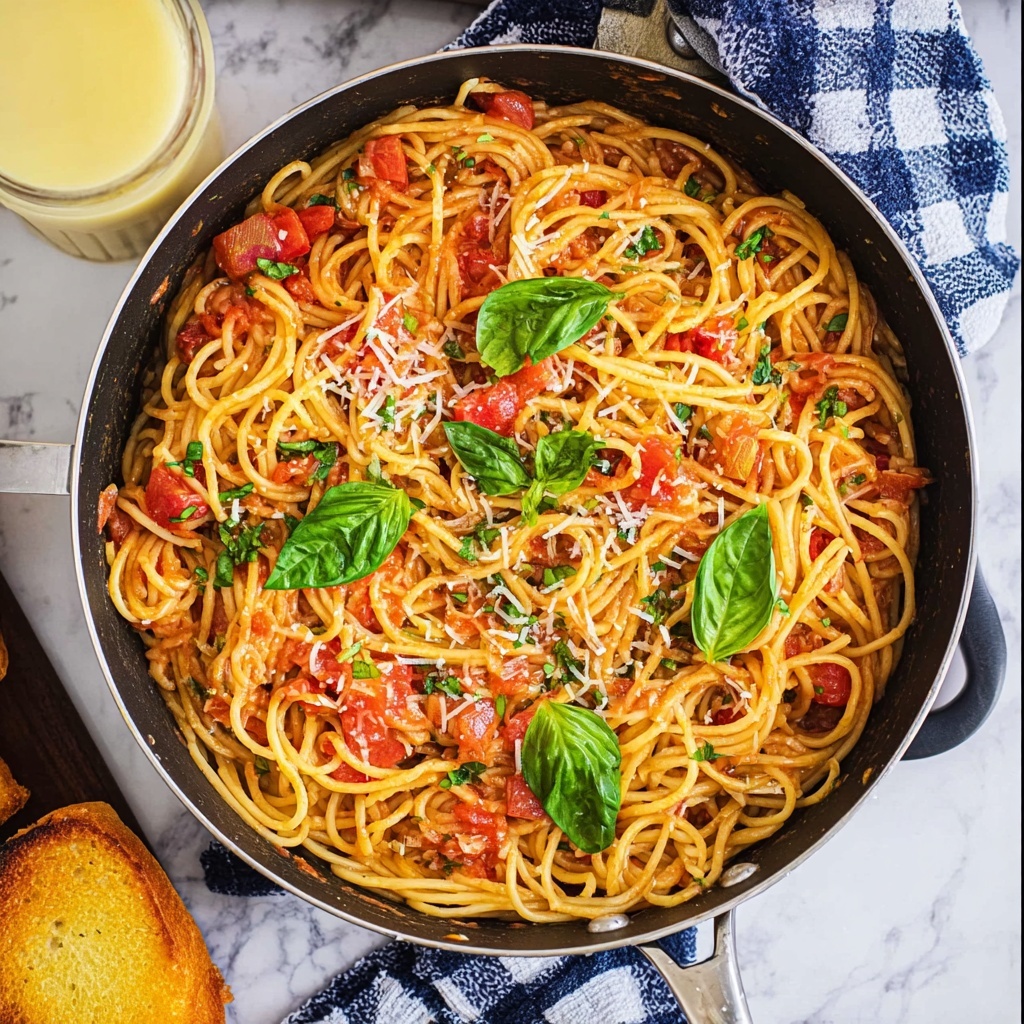
If you’re craving a dish that’s vibrant, comforting, and comes together in no time, you’re in for a treat with this Quick and Fresh Pasta Pomodoro Recipe. It’s a beautiful celebration of ripe tomatoes, fragrant basil, and garlic-infused olive oil melding perfectly with al dente spaghetti, making every bite a burst of simple Italian elegance. Whether you make it for a busy weeknight or a relaxed weekend meal, this pasta is a reliable crowd-pleaser that feels like a warm hug on a plate.
Ingredients You’ll Need
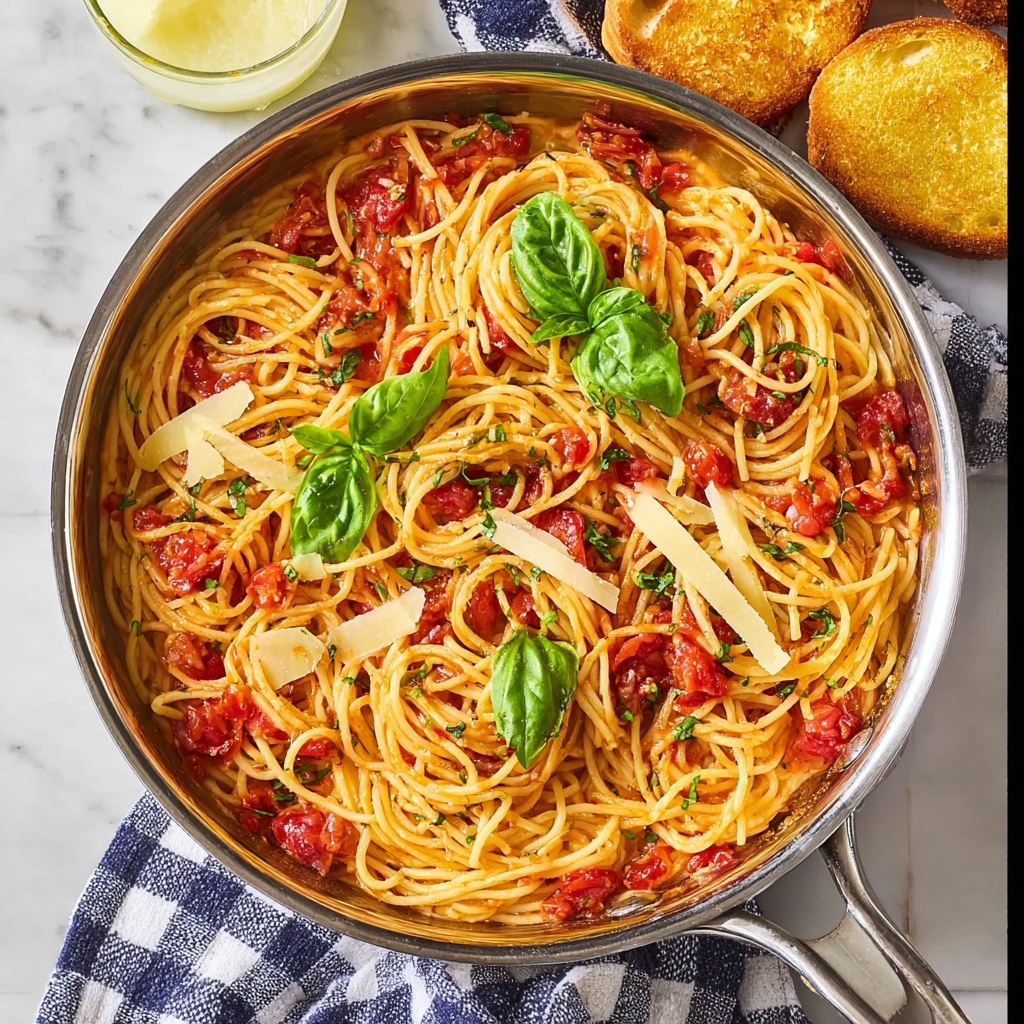
To create this quick and fresh Pasta Pomodoro, you only need a handful of ingredients, each carefully chosen to deliver authentic flavors and fresh texture. These essentials come together seamlessly, letting the natural sweetness of tomatoes shine while the fresh basil adds a lively punch of color and aroma.
- 1 pound dry spaghetti: Your classic pasta base—choose good quality for the best texture.
- 2 tablespoons extra-virgin olive oil: Adds richness and helps gently carry the flavors.
- 1 cup chopped fresh tomatoes: Brings freshness and a juicy bite to the sauce.
- ½ teaspoon kosher salt: Enhances all the natural flavors without overpowering.
- ¼ teaspoon freshly ground black pepper: Adds a subtle spicy kick and depth.
- 2-4 cloves garlic (minced): Garlic’s warm aroma forms the backbone of the dish’s flavor.
- 1 cup low-sodium vegetable broth (or chicken broth): Creates a light, savory base to meld the sauce ingredients.
- 15 ounces crushed tomatoes (or petite diced): Provides body and vibrant color to the sauce.
- 3 tablespoons tomato paste: Intensifies the tomato flavor for a richer pomodoro.
- ¼ cup chopped fresh basil leaves: A fresh herbaceous touch that lifts the entire dish.
- Freshly grated Parmigiana Reggiano (or Parmesan cheese, for serving): Adds a nutty, salty finish that completes the pasta beautifully.
How to Make Quick and Fresh Pasta Pomodoro Recipe
Step 1: Cook the Pasta to Perfection
Start by bringing a large pot of salted water to a rolling boil—this is your secret to perfectly seasoned pasta. Cook the spaghetti according to package instructions until al dente, meaning it should be tender yet slightly firm to the bite. Then, drain it carefully, saving a splash of pasta water if you like to adjust sauce consistency later.
Step 2: Sauté the Fresh Tomatoes
While the pasta cooks, warm your extra-virgin olive oil in a spacious skillet over medium heat. Toss in the chopped fresh tomatoes along with kosher salt and freshly ground pepper. Let them sauté for about one minute, which starts the delightful breakdown of tomatoes releasing their natural juices and aroma.
Step 3: Infuse with Garlic
Add the minced garlic to the skillet stirring gently to combine and cook for an additional minute. This step fills your kitchen with a mouthwatering garlic fragrance and infuses the oil with deep flavor, setting a robust foundation for your pomodoro sauce.
Step 4: Build the Sauce
Pour in the vegetable broth, followed by the crushed tomatoes and tomato paste. Stir well to blend everything into a luscious, vibrant sauce. This mix simmers quickly to thicken slightly, concentrating the tomato essence without losing its freshness.
Step 5: Combine Pasta and Sauce
Now it’s time to add the cooked spaghetti and chopped basil leaves right into the skillet. Toss everything together over medium heat, stirring often, for 3 to 4 minutes. This final cooking melds the flavors beautifully and allows the pasta to soak up the delicious pomodoro sauce just enough to be fully coated but never soggy.
Step 6: Serve and Enjoy
Dish out your Pasta Pomodoro onto plates or bowls, then generously sprinkle with freshly grated Parmigiana Reggiano. The creamy, nutty cheese topping makes every bite irresistibly satisfying, finishing off a straightforward yet spectacular dish.
How to Serve Quick and Fresh Pasta Pomodoro Recipe
Garnishes
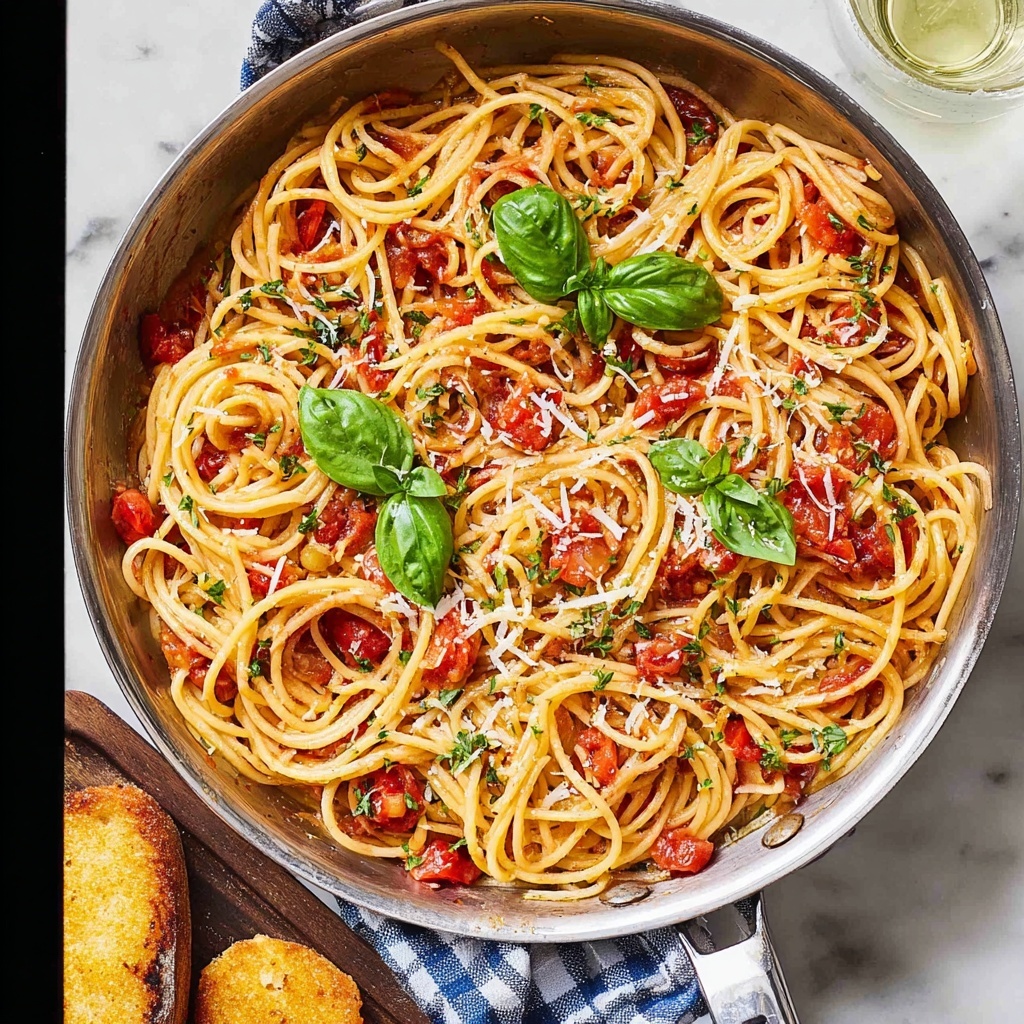
Fresh basil leaves are the classic garnish to add a pop of green and a fresh herbal aroma that brightens the dish. You can also scatter some extra grated Parmesan on top for a melt-in-your-mouth cheesy finish everyone will adore.
Side Dishes
This Pasta Pomodoro pairs beautifully with a crisp green salad dressed simply with lemon and olive oil. For heartier options, garlic bread or a rustic Italian loaf make perfect companions to soak up any lingering sauce on your plate.
Creative Ways to Present
For something special, twirl the pasta neatly into little nests on your plate and garnish each with basil leaf and a shaving of Parmesan for a restaurant-quality look. Serve family-style in a large visible bowl to invite everyone to help themselves, making it cozy and inviting.
Make Ahead and Storage
Storing Leftovers
Store any leftover Quick and Fresh Pasta Pomodoro Recipe in an airtight container in the fridge for up to 3 days. The flavors deepen nicely overnight but be mindful that the pasta may continue to absorb sauce, so keeping a bit of reserved pasta water can help refresh it when reheating.
Freezing
While this dish tastes best fresh, you can freeze the sauce separately (without the pasta) in a freezer-safe container for up to 2 months. Thaw it overnight in the fridge and reheat gently on the stove before combining with freshly cooked pasta for the best texture.
Reheating
Reheat leftovers gently over low heat on the stove, adding a splash of water or broth to revive the sauce’s sauciness. Microwave works too if you’re short on time, but stir halfway through heating to maintain even warmth without drying out the pasta.
FAQs
Can I use other types of pasta for this Quick and Fresh Pasta Pomodoro Recipe?
Absolutely! While spaghetti is traditional, you can use penne, linguine, or even fusilli. Just adjust cooking times accordingly so your pasta is perfectly al dente.
What’s the best way to store fresh basil if I have leftovers?
Wrap fresh basil gently in a damp paper towel, place it inside a plastic bag, and store it in the fridge. This keeps it fresh longer and prevents it from wilting too fast.
Can I make this dish vegan?
Yes! Simply omit the Parmigiana Reggiano or use a vegan cheese substitute. The rest of the ingredients are plant-based and packed with fresh flavors.
Is it okay to use canned whole tomatoes instead of crushed or diced?
Definitely. If using whole canned tomatoes, break them apart in the skillet with a spoon to create a chunky sauce texture similar to crushed tomatoes before proceeding.
How do I know when the pasta is al dente?
Al dente means the pasta should be tender but still have a slight bite or firmness in the center. The best way is to taste a strand a minute or two before the package cooking time ends.
Final Thoughts
I can’t recommend this Quick and Fresh Pasta Pomodoro Recipe enough for anyone looking to whip up a vibrant, flavorful meal without a fuss. It’s the kind of recipe that feels special yet is incredibly easy to execute, making it perfect for any day of the week. Give it a try and watch it become one of your go-to pasta dishes for both speedy dinners and comforting gatherings.
Print
Quick and Fresh Pasta Pomodoro Recipe
- Prep Time: 15 minutes
- Cook Time: 10 minutes
- Total Time: 25 minutes
- Yield: 4 servings
- Category: Main Course
- Method: Stovetop
- Cuisine: Italian
- Diet: Vegetarian
Description
This classic Pasta Pomodoro recipe features al dente spaghetti tossed in a vibrant, fresh tomato sauce enriched with garlic, basil, and a touch of tomato paste. Quick to make and brimming with Mediterranean flavors, it’s a perfect weeknight dinner that highlights the simplicity and freshness of Italian cooking.
Ingredients
Dry Ingredients
- 1 pound dry spaghetti (1 box)
- ½ teaspoon kosher salt
- ¼ teaspoon freshly ground black pepper
Produce
- 1 cup chopped fresh tomatoes
- 2–4 cloves garlic, minced
- ¼ cup chopped fresh basil leaves
Pantry
- 2 tablespoons extra-virgin olive oil
- 1 cup low-sodium vegetable broth (or chicken broth)
- 15 ounces crushed tomatoes (or petite diced tomatoes, 1 can)
- 3 tablespoons tomato paste
Dairy
- Freshly grated Parmigiana Reggiano or Parmesan cheese, for serving
Instructions
- Cook the Pasta: Bring a large pot of salted water to a boil over high heat. Add the spaghetti and cook according to package instructions until al dente. Drain and set aside.
- Heat the Olive Oil: While the pasta cooks, heat 2 tablespoons of extra-virgin olive oil in a large skillet over medium heat to prepare for sautéing.
- Sauté Fresh Tomatoes: Add 1 cup chopped fresh tomatoes, ½ teaspoon kosher salt, and ¼ teaspoon freshly ground black pepper to the skillet. Stir often and sauté for about 1 minute to soften the tomatoes.
- Add Garlic: Stir in 2 to 4 cloves of minced garlic and cook for an additional minute, releasing its aroma without burning.
- Add Broth and Tomato Products: Pour in 1 cup low-sodium vegetable broth (or chicken broth), 15 ounces crushed tomatoes, and 3 tablespoons tomato paste. Stir well to combine the sauce ingredients.
- Combine Pasta and Basil: Add the cooked spaghetti and ¼ cup chopped fresh basil leaves to the skillet. Stir often and cook for 3-4 minutes until the sauce reduces slightly and coats the pasta nicely.
- Serve and Garnish: Divide the pasta among individual plates. Garnish with additional fresh basil leaves and freshly grated Parmigiana Reggiano or Parmesan cheese as desired. Serve immediately.
Notes
- For best flavor, use ripe, fresh tomatoes during tomato season or opt for good-quality canned crushed tomatoes otherwise.
- Adjust the amount of garlic according to your taste preference.
- You can substitute vegetable broth with chicken broth for a non-vegetarian version.
- For a vegan version, omit the cheese or use a plant-based Parmesan alternative.
- Reserve some pasta cooking water to loosen the sauce if it becomes too thick during the final step.