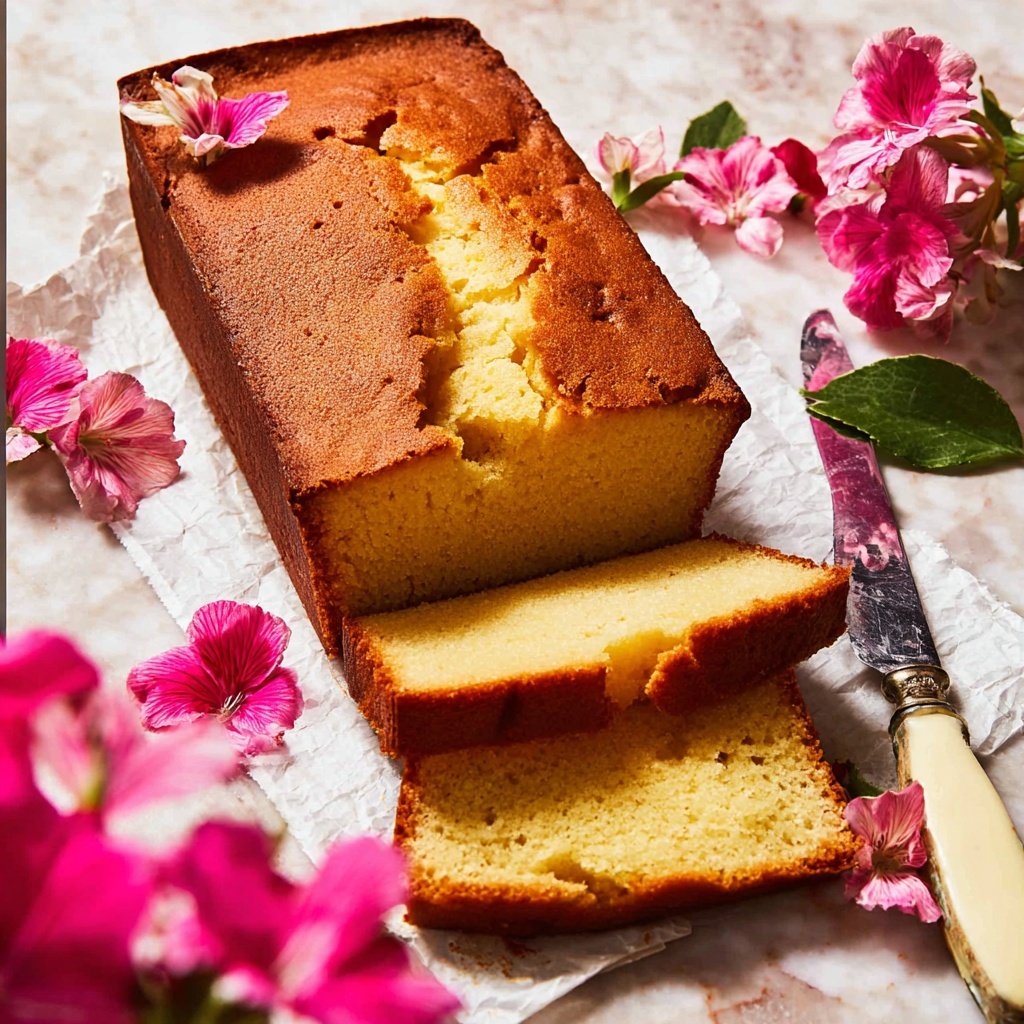
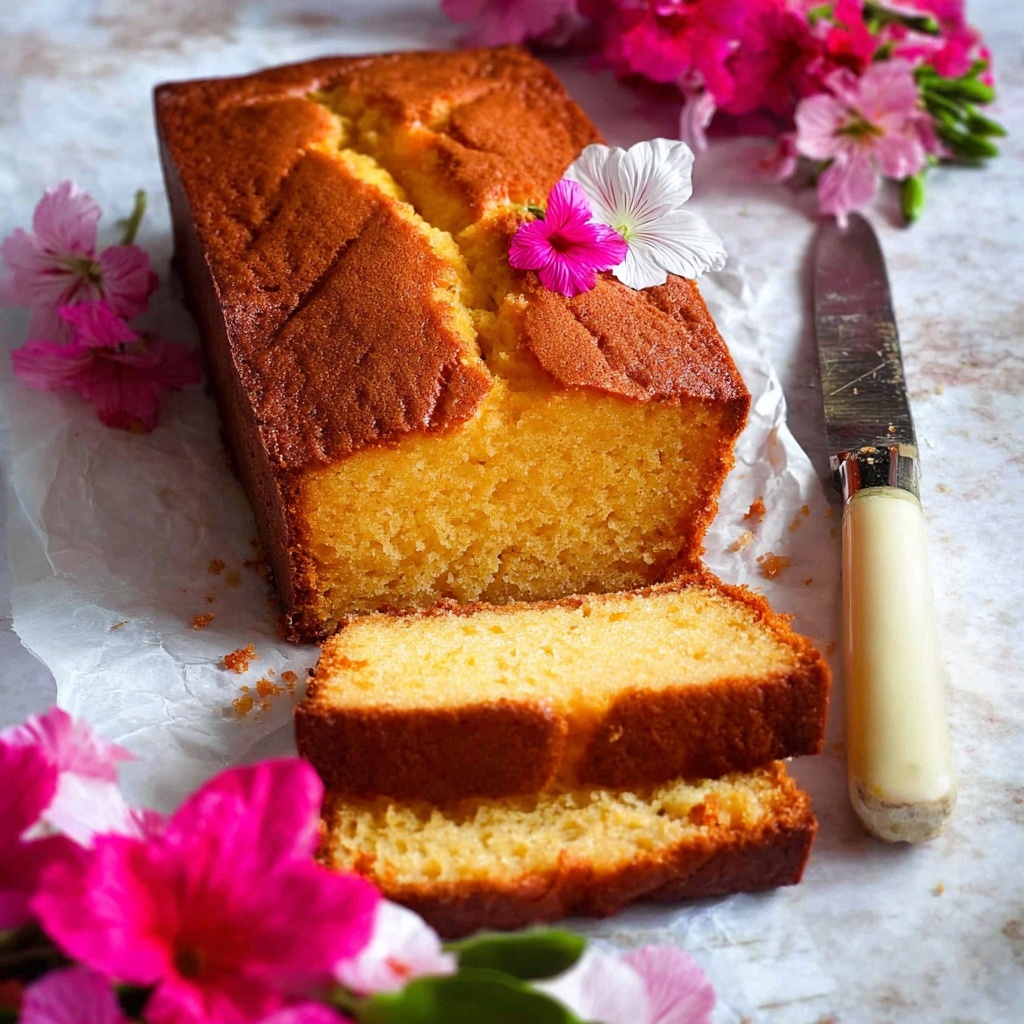
If you have ever longed for a perfectly moist, tender cake that truly melts in your mouth, you are about to discover The Best Pound Cake Recipe. This classic dessert has been upgraded to bring out the perfect balance of buttery richness and soft crumb that makes every bite unforgettable. With a simple list of pantry staples, you’ll soon be enjoying a golden loaf that’s crisp on the outside and irresistibly soft within — a true crowd-pleaser no matter the occasion.
Ingredients You’ll Need
Every ingredient in this recipe has a starring role in creating that picture-perfect pound cake texture and flavor. From the lush butter to the delicate cake flour, each element boosts the cake’s richness, tenderness, and classic color.
- Full fat milk (3 tbsp): Adds moisture and a subtle creaminess that softens the crumb.
- Large eggs (3, at room temperature): Provide structure and richness while helping the cake rise beautifully.
- Vanilla extract (1 1/2 tsp): Infuses the cake with that warm, inviting aroma and flavor we all love.
- Cake flour (1 cup, sifted): Yields a fine, tender crumb that’s lighter than all-purpose flour.
- Caster sugar (3/4 cup): Sweetens the cake evenly and helps create a lovely crust.
- Baking powder (3/4 tsp): Gives the cake a gentle lift without overpowering the texture.
- Salt (1/4 tsp): Balances the sweetness and enhances the buttery flavors.
- Unsalted butter (13 tbsp, softened): The heart of any pound cake, delivering that signature buttery bite and moist texture.
How to Make The Best Pound Cake Recipe
Step 1: Preparing Your Oven and Pan
Start by preheating your oven to 180°C/350°F, making sure the rack is in the middle so your loaf bakes evenly. Then, generously grease your loaf pan with unsalted butter and dust it with flour, knocking out any excess. This ensures your cake won’t stick and will have those stunning golden edges everyone covets.
Step 2: Whisking the Wet Ingredients
In a medium bowl, lightly whisk together the milk, eggs, and vanilla extract. It’s important to use room temperature eggs and milk to help the batter come together smoothly, yielding a silkier texture in your pound cake.
Step 3: Mixing the Dry Ingredients
In a separate large bowl or your stand mixer, combine the sifted cake flour, caster sugar, baking powder, and salt. Give these a brief beat on the lowest speed for about 30 seconds to incorporate air and remove any lumps. This step helps your pound cake develop that perfect rise and tender crumb.
Step 4: Creaming Butter and Adding Half the Eggs
Add the softened butter and half of your egg mixture into the dry ingredients. Beat on low speed until everything starts to come together into a thick batter, usually about 30 to 40 seconds. Then crank it up to a higher speed and beat for another minute — this will whip air into the batter and create a lighter texture.
Step 5: Adding the Remaining Eggs in Two Portions
Scrape down the bowl to ensure even mixing. Add half of the remaining egg mixture, a quarter of the original total, and beat for 20 seconds at high speed. Scrape the bowl again, and add the final quarter of eggs, beating for another 20 seconds. This gradual addition helps prevent the batter from curdling and keeps the texture smooth.
Step 6: Baking the Cake
Pour your luscious batter into the prepared loaf pan and smooth the top. Bake for 30 minutes until you notice the top beginning to split slightly; this is a good sign that the cake is rising beautifully. For a perfect split, carefully open the oven briefly and make a light 15 cm (6″) cut along the crack with a sharp knife, then bake for another 20 to 25 minutes. If the cake starts to darken too much, cover loosely with foil to prevent burning.
Step 7: Cooling and Serving
Allow the cake to cool in the pan for 10 minutes, then turn it out onto a wire rack to cool completely. This resting time lets the flavors settle and the structure set, so every slice is as tender as you dreamed.
How to Serve The Best Pound Cake Recipe
Garnishes
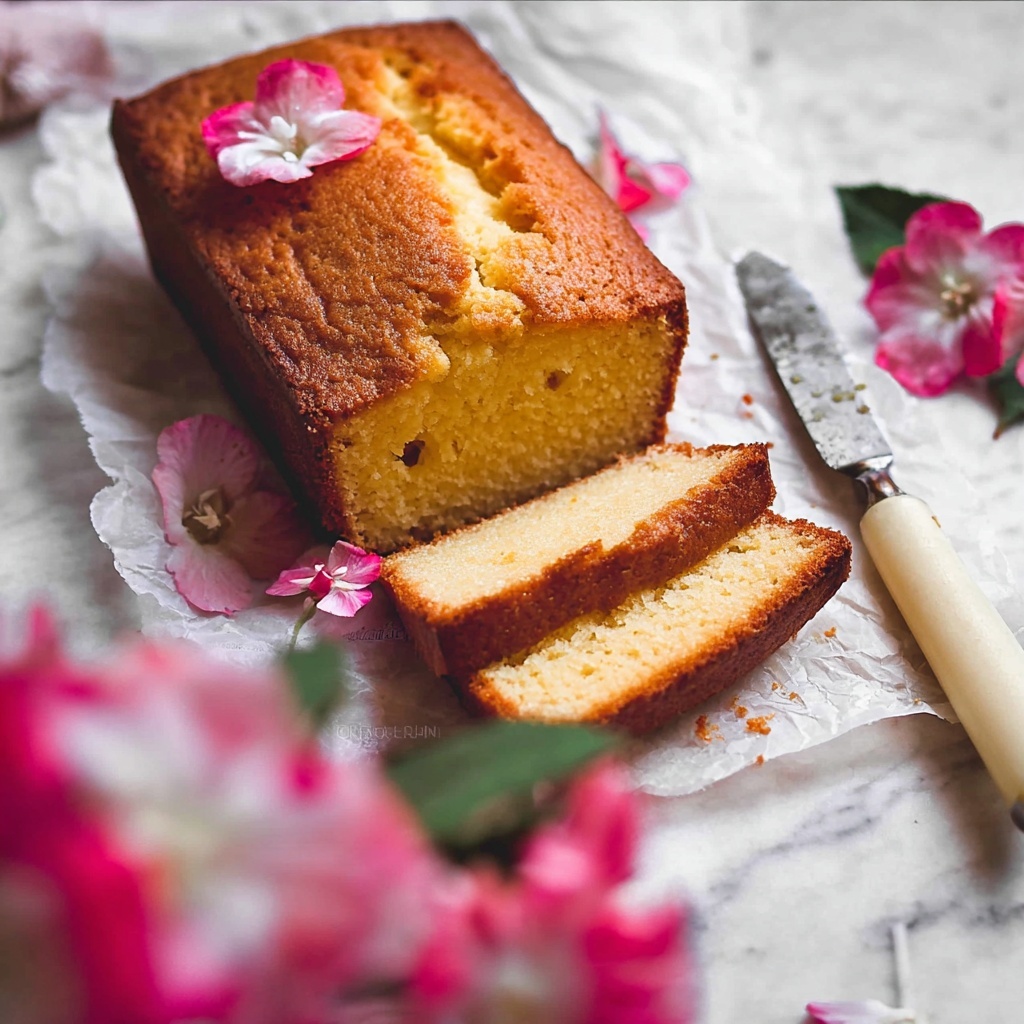
While this pound cake is wonderful on its own, simple garnishes can elevate it effortlessly. Try a dollop of freshly whipped cream paired with seasonal berries for a classic touch, or a drizzle of honey with a pat of butter for an extra cozy feel. Crushed pistachios or a sprinkle of powdered sugar add an elegant finish that’s guaranteed to impress.
Side Dishes
The Best Pound Cake Recipe pairs beautifully with a variety of sides. Think vibrant fruit compotes like blueberry or cherry, a scoop of mascarpone cheese, or even thick yogurt topped with nuts for added texture and freshness. These additions create a lovely balance between richness and bright flavors.
Creative Ways to Present
Want to wow your guests or just enjoy a special treat yourself? Slice the pound cake thick and toast the slices lightly, then top with lemon curd and a sprinkle of toasted coconut. Alternatively, layer pieces in a trifle dish with fresh fruit and custard for an irresistible dessert. The Best Pound Cake Recipe is so versatile, you can let your imagination run wild!
Make Ahead and Storage
Storing Leftovers
The pound cake stays moist and delicious when stored properly. Keep leftovers in an airtight container at room temperature for up to three days. This helps preserve the cake’s tender crumb without drying it out.
Freezing
You can freeze slices or the whole loaf well wrapped in plastic wrap and foil for up to three months. Just thaw them at room temperature before serving, and you’ll find the texture and taste remain remarkably fresh.
Reheating
To revive the fresh-baked charm, warm slices gently in a toaster oven or microwave for 10-15 seconds. This simple step brings back that soft, buttery feel and makes each bite feel like it’s just come out of the oven.
FAQs
Can I use all-purpose flour instead of cake flour?
Yes, but the texture will be a bit denser. If you only have all-purpose flour, try replacing 2 tablespoons per cup with cornstarch to mimic cake flour’s tenderness.
Why is it important to use room temperature ingredients?
Room temperature eggs, milk, and butter blend more easily, creating a smooth, stable batter that traps air. This results in a lighter, more tender crumb.
Do I need to make the cut along the split during baking?
Though optional, this quick cut helps the cake rise evenly and gives it that classic, attractive crack on top, making your pound cake look bakery-worthy.
Can I substitute vanilla extract with another flavor?
Absolutely! Almond extract or lemon zest can add exciting new dimensions, but vanilla provides the best classic warmth for The Best Pound Cake Recipe.
How do I know when the cake is fully baked?
Insert a skewer or toothpick near the end of baking — it should come out clean or with just a few moist crumbs attached. This ensures your cake is perfectly cooked through.
Final Thoughts
Now that you’ve mastered The Best Pound Cake Recipe, you have a delightful dessert ready for breakfast, tea time, or any celebration. Simple yet extraordinary, this pound cake is sure to become a cherished favorite in your kitchen. So go ahead, bake a loaf, share it with loved ones, and savor every buttery, tender bite!
Print
The Best Pound Cake Recipe
- Prep Time: 20 minutes
- Cook Time: 50 minutes
- Total Time: 1 hour 10 minutes
- Yield: 10 servings
- Category: Dessert
- Method: Baking
- Cuisine: American
Description
This classic pound cake recipe delivers a buttery, tender, and moist cake with a fine crumb, perfect for any occasion. Using cake flour and a precise beating method, it achieves an ideal texture while the subtle vanilla and rich butter flavor make it irresistibly delicious. This pound cake is baked in a loaf pan and can be served with whipped cream, fruit, honey, or mascarpone for a delightful treat.
Ingredients
Wet Ingredients
- 3 tbsp full-fat milk, at room temperature
- 3 large eggs, at room temperature (150 – 165g / 6oz total including shell)
- 1 1/2 tsp vanilla extract
- 13 tbsp (185 grams) unsalted butter, softened to 18°C / 64°F
Dry Ingredients
- 1 cup cake flour, sifted (if using cup measures, measure after sifting)
- 3/4 cup caster sugar (superfine sugar)
- 3/4 tsp baking powder
- 1/4 tsp salt
Instructions
- Preheat the oven: Set the oven to 180°C/350°F (165°C fan) and position the shelf so the loaf pan will sit in the middle for even baking.
- Prepare the pan: Grease an 8.5 x 4 inch (21.5 x 11.4 x 6.9 cm) loaf pan with unsalted butter, then dust with flour, tapping out any excess.
- Whisk wet ingredients: In a medium bowl, lightly whisk together the milk, eggs, and vanilla extract. Set aside for later use.
- Mix dry ingredients: In a large bowl or stand mixer, combine the sifted cake flour, caster sugar, baking powder, and salt. Beat on low speed (Speed 1) for 30 seconds to blend and aerate.
- Add butter and half the egg mixture: Add the softened butter and half the milk-egg-vanilla mixture to the dry ingredients. Beat on Speed 1 until incorporated (about 30–40 seconds), forming a thick batter. Then increase to Speed 7 and beat for 1 minute to aerate.
- Add half of the remaining egg mixture: Scrape down the bowl to ensure even mixing. Add half of the remaining milk-egg mixture (a quarter of the original total eggs) and beat on Speed 7 for 20 seconds.
- Add the rest of the egg mixture: Scrape down the bowl again, add the remaining egg mixture (the final quarter), and beat for another 20 seconds on Speed 7 to fully incorporate.
- Fill the pan: Transfer the batter into the prepared loaf pan and smooth the top evenly.
- First bake (30 minutes): Bake for 30 minutes until the top begins to split slightly, indicating the cake is rising well.
- Cut the split (optional): Quickly open the oven and make a light 6-inch (15 cm) cut along the split with a small sharp knife to help it open nicely. Work fast to prevent heat loss and cake collapse.
- Second bake (20-25 minutes): Continue baking for another 20-25 minutes until a skewer inserted into the center comes out clean. If the top darkens too much, cover loosely with foil towards the end.
- Cool: Let the cake cool in the pan for 10 minutes, then remove it from the pan and transfer to a wire rack to cool completely.
- Serve: Cut thick slices and serve with whipped cream and fruit, butter, butter and honey, fruit compote, mascarpone, or thick yogurt with crushed nuts such as pistachios.
Notes
- Note 1: Using room temperature eggs and milk helps with proper emulsification and batter consistency.
- Note 2: Sifting the cake flour ensures a light texture; if using volume measures, measure after sifting for accuracy.
- Note 4: Use unsalted butter softened to about 18°C / 64°F for easy creaming and the best texture.
- If the cake darkens too much near the end of baking, covering with foil prevents burning.
- Be quick when making the split cut in the oven to avoid heat loss and collapsing of the cake.