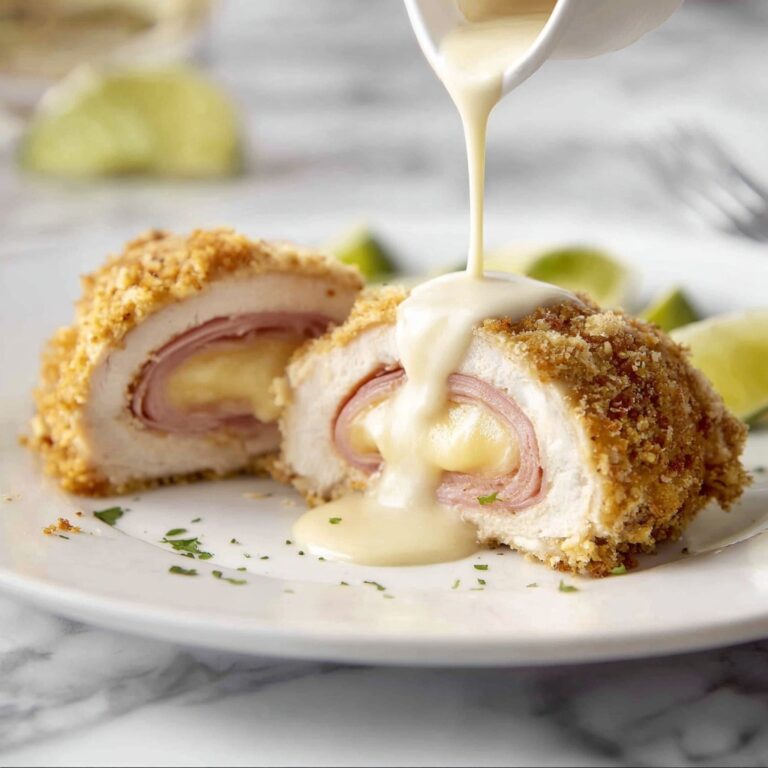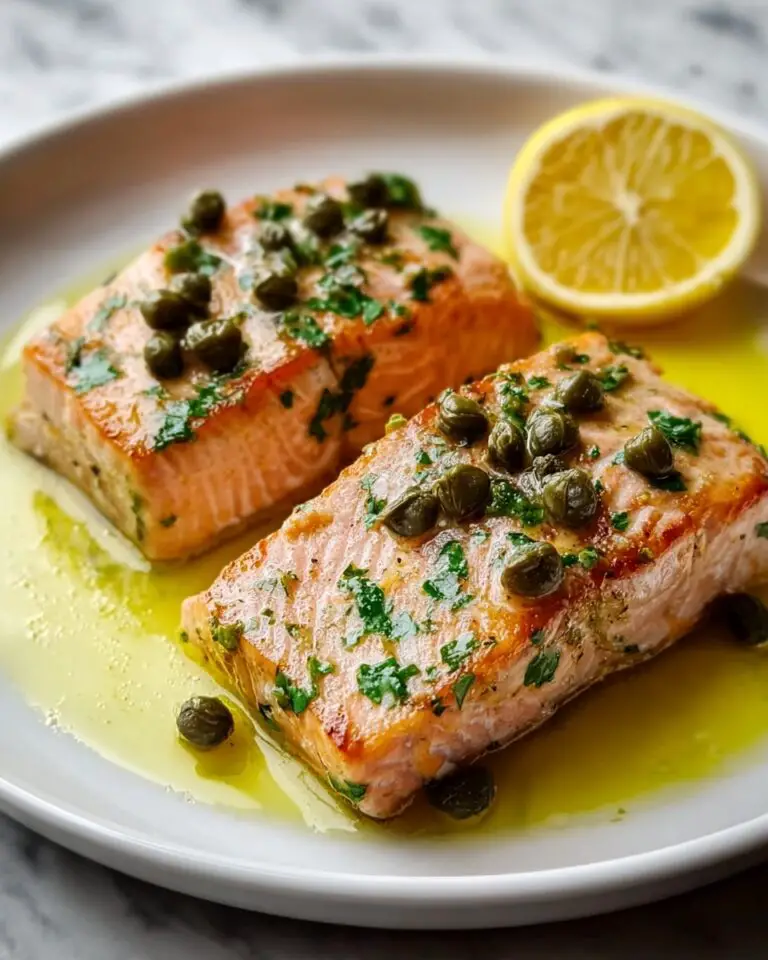
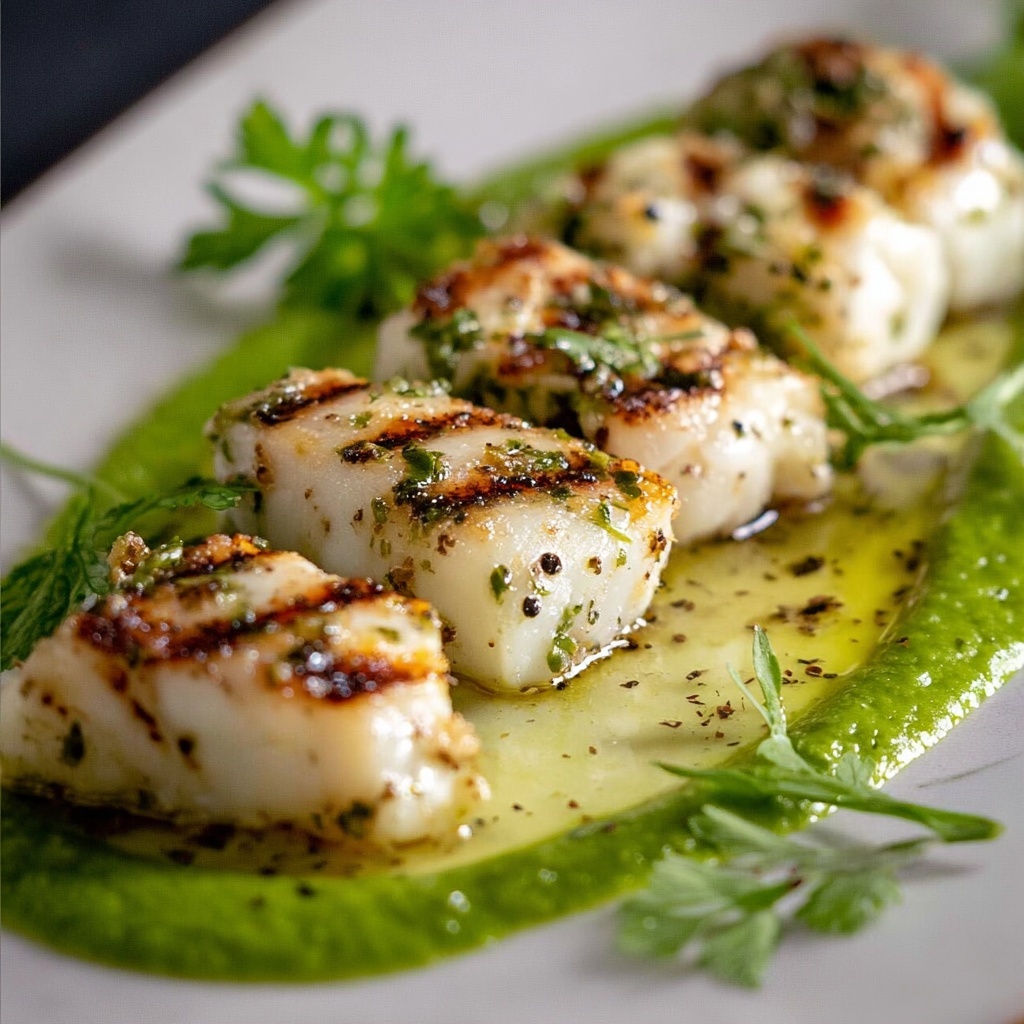
If you’ve ever dreamed of enjoying lobster’s rich, buttery flavor but want to avoid the hefty price tag, you’re going to love this Poor Man’s Lobster – Monkfish with Herb Browned Butter Recipe. Monkfish, with its firm texture and subtly sweet taste, perfectly mimics lobster’s luxurious bite, especially when paired with a fragrant, golden herb browned butter that elevates every morsel. This dish strikes an impeccable balance between simplicity and elegance, making it a true standout for a cozy dinner or special occasion at home.
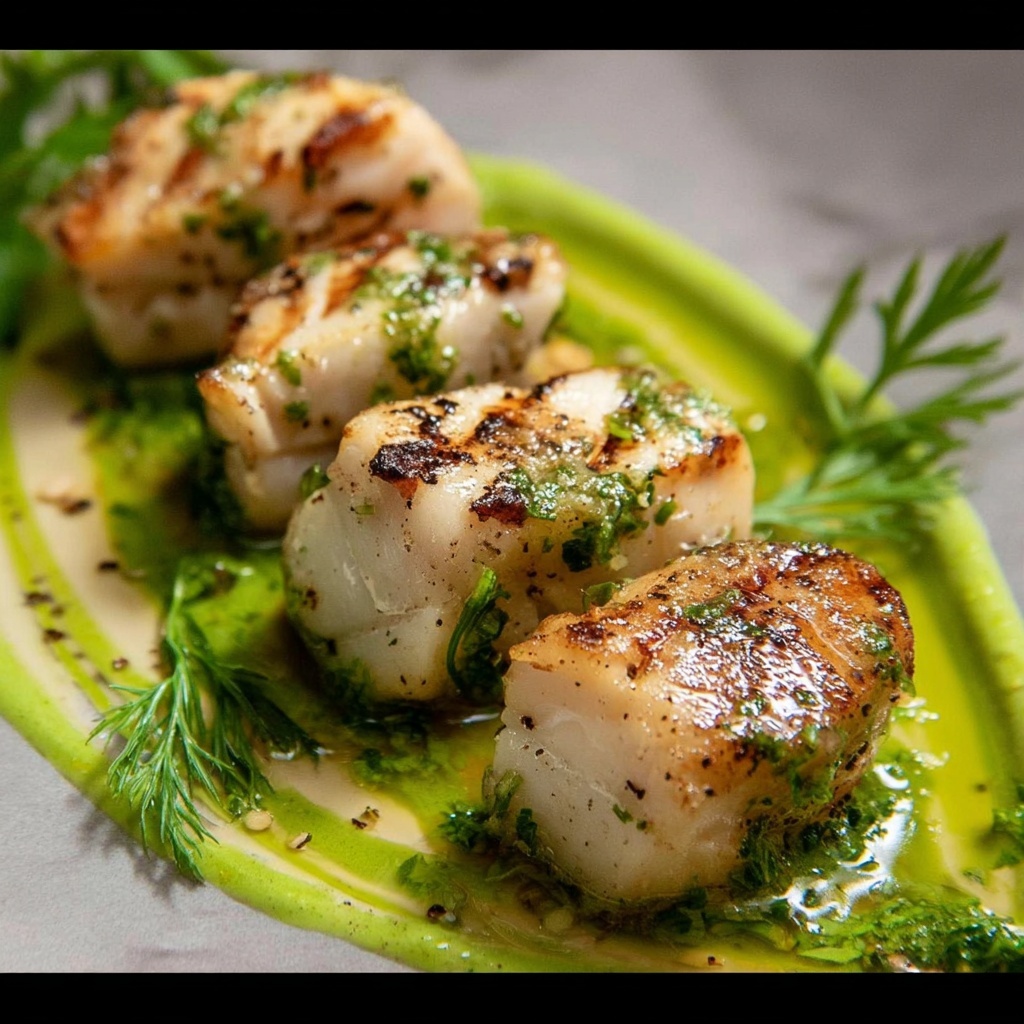
Ingredients You’ll Need
The beauty of this recipe lies in its straightforward ingredients—each one plays a crucial role in bringing out the best in the monkfish and the luscious browned butter. These staples are easy to find but pack a serious flavor punch, creating a dish that feels special without demanding complicated components.
- 300g / 10oz monkfish fillets (skinless and boneless): The star of the show, monkfish offers a firm texture that holds up well to cooking and is often called “poor man’s lobster” for its similar taste.
- 1 1/2 tbsp extra virgin olive oil: Adds a light, fruity base to gently sear the fish without overpowering its delicate flavor.
- 1/4 tsp salt: Enhances the natural sweetness of the monkfish and balances the rich butter sauce.
- 1/8 tsp finely ground black pepper: Provides just enough gentle heat and complexity.
- 2 tbsp/30g unsalted butter (cut into 1cm / 1/2″ cubes): The key to that nutty, golden herb browned butter that wraps the fish in savory richness.
- 2 garlic cloves (smashed): Introduces a subtle, aromatic warmth that amps up the overall depth.
- 2 sprigs fresh thyme: A classic herb that pairs beautifully with buttery seafood, imparting a fresh earthiness.
- 1/2 tsp finely chopped parsley: Brightens the dish with a hint of herby freshness.
- 1/2 tsp finely chopped chives: Adds mild oniony notes that complement the butter and fish perfectly.
- 1/2 tsp finely chopped chervil: A subtle tender herb that rounds out the flavor profile with delicate anise-like hints.
How to Make Poor Man’s Lobster – Monkfish with Herb Browned Butter Recipe
Step 1: Prepare the Monkfish
Start by cutting your monkfish fillets into 3 or 4 even pieces. This not only ensures they cook evenly but also creates perfect, bite-sized portions that feel elegant on the plate. The firm flesh makes it easy to work with, and you’ll notice how much it already resembles lobster’s texture just by looking at it.
Step 2: Seasoning the Fish
Lightly season both sides of each piece with salt and the finely ground black pepper. Keeping the seasoning simple allows the natural flavors of the monkfish to shine while setting the stage for the rich herb browned butter sauce to complement without overwhelming.
Step 3: Searing the Monkfish
Heat the extra virgin olive oil in a heavy skillet over medium-high heat. Once hot, add the monkfish pieces, letting them sear for about 3 to 4 minutes on each side. You’re looking for a beautifully golden crust—this caramelization is essential for adding depth and contrast to the tender inside of the fish. Resist the urge to move them too soon; patience pays off here.
Step 4: Making the Herb Browned Butter
Remove the fish from the pan and set it aside to rest briefly. In the same skillet, lower the heat to medium and add the butter cubes. As the butter melts, toss in the smashed garlic and fresh thyme sprigs. Allow the butter to cook undisturbed until it turns a deep golden brown and smells irresistibly nutty. This golden treasure is where the magic happens—it’s going to elevate the monkfish to new heights. Remove the garlic and thyme to avoid bitterness, then stir in the chopped parsley, chives, and chervil for that perfect burst of herbal freshness.
Step 5: Bringing It All Together
Return the monkfish to the pan briefly to coat it in the fragrant herb browned butter. Spoon the sauce generously over each piece and serve immediately. The buttery sauce clings beautifully to the fish, sealing in moisture and flavor, while the herbs provide a lively, aromatic finish.
How to Serve Poor Man’s Lobster – Monkfish with Herb Browned Butter Recipe
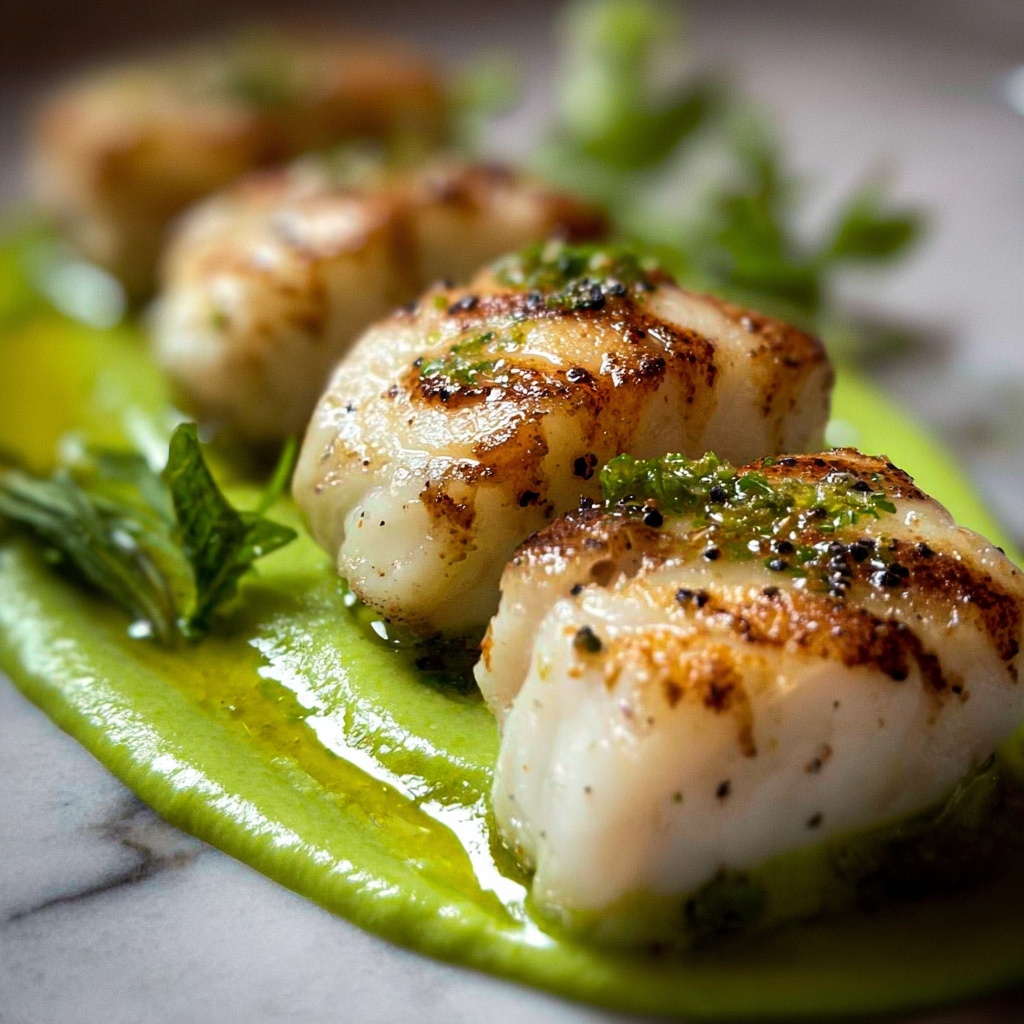
Garnishes
A sprinkle of fresh chopped herbs like parsley or chives adds a pop of color and a fresh bite that perfectly balances the richness of the browned butter. A thin twist of lemon zest or a lemon wedge on the side can also brighten the dish effortlessly, inviting your taste buds to dive right in.
Side Dishes
This recipe pairs wonderfully with light, simple sides that allow the monkfish to remain the focus. Think buttery new potatoes, steamed asparagus, or even a crisp green salad with a tangy vinaigrette. The goal is to contrast the rich, buttery fish with fresh or subtly creamy textures to create a harmonious plate.
Creative Ways to Present
For a special occasion vibe, consider plating your Poor Man’s Lobster – Monkfish with Herb Browned Butter Recipe over a bed of saffron-infused risotto or alongside a delicate cauliflower puree. The elegant presentation elevates the meal, making it feel as indulgent as any fine dining experience without the complicated steps or ingredients.
Make Ahead and Storage
Storing Leftovers
If you find yourself with leftovers, store the monkfish and herb browned butter separately in airtight containers in the fridge. This helps maintain the textural integrity of the fish and preserves the fresh flavor of the butter sauce.
Freezing
Monkfish freezes well, so if you want to prepare in advance, freeze the raw fillets tightly wrapped or vacuum-sealed. The herb browned butter sauce is best prepared fresh, but you can freeze it separately if needed; just thaw slowly in the fridge to keep the butter from separating.
Reheating
Reheat leftovers gently to avoid drying out the fish. A quick warm-up in a low-heat pan with a splash of extra butter or olive oil helps revive the dish beautifully. Avoid the microwave for reheating, as it can toughen the monkfish.
FAQs
Can I use other fish besides monkfish?
Absolutely! While monkfish is ideal for its lobster-like texture, firm white fish like halibut or cod can be delicious substitutes. Just note that cooking times might vary slightly to avoid overcooking.
What makes browned butter so special?
Browned butter’s deep nutty flavor adds complexity to dishes that regular melted butter can’t match. The process involves gently cooking butter until the milk solids toast, creating a rich aroma and taste that pairs perfectly with seafood like monkfish.
Do I need to remove the garlic and thyme before serving?
It’s best to remove the smashed garlic cloves and thyme sprigs after browning the butter to avoid any bitter flavors. They’ve already imparted their aroma and essence to the butter by that point.
How can I tell when the monkfish is cooked perfectly?
The fish should feel firm and opaque, with a golden crust on the outside. Overcooking can make monkfish tough, so aim for a gentle sear with a slightly springy center.
Is this recipe suitable for a quick weeknight meal?
Yes! With a total prep and cook time around 20 minutes, the Poor Man’s Lobster – Monkfish with Herb Browned Butter Recipe is quick enough to whip up after work, bringing a touch of gourmet to your evening without fuss.
Final Thoughts
There’s something truly special about enjoying a dish that feels luxurious yet is so wonderfully accessible—that’s exactly what this Poor Man’s Lobster – Monkfish with Herb Browned Butter Recipe offers. The combination of the firm, lobster-like fish with the golden, herb-infused butter is pure comfort and elegance on a plate. Give it a try for your next meal and discover just how simple ingredients and a little loving technique transform into something unforgettable.
Print
Poor Man’s Lobster – Monkfish with Herb Browned Butter Recipe
- Prep Time: 10 minutes
- Cook Time: 8 minutes
- Total Time: 18 minutes
- Yield: 2 servings
- Category: Main Course
- Method: Frying
- Cuisine: European
Description
This recipe features monkfish fillets, often called ‘Poor Man’s Lobster’ due to their firm texture and mild flavor, prepared with a fragrant herb browned butter sauce. The monkfish is pan-seared until golden and tender, then finished with a rich butter sauce infused with garlic and fresh herbs, making for an elegant yet simple seafood dish perfect for a quick gourmet meal.
Ingredients
Fish
- 300g / 10oz monkfish fillets, skinless and boneless
- 1/4 tsp salt
- 1/8 tsp black pepper, finely ground
Cooking
- 1 1/2 tbsp extra virgin olive oil
- 2 tbsp / 30g unsalted butter, cut into 1cm (1/2″) cubes
- 2 garlic cloves, smashed
- 2 sprigs thyme
Herbs for Garnish
- 1/2 tsp parsley, finely chopped
- 1/2 tsp chives, finely chopped
- 1/2 tsp chervil, finely chopped
Instructions
- Cut fillets: Cut each monkfish fillet into 3 or 4 evenly sized pieces to ensure uniform cooking.
- Season: Sprinkle both sides of the monkfish pieces with salt and finely ground black pepper to enhance flavor.
- Prepare for resting: (Optional) Place a rack over a tray; this is used later to let the cooked fish rest and maintain crispness.
- Sear the monkfish: Heat the extra virgin olive oil in a skillet over medium-high heat. Add the monkfish pieces and sear each side for approximately 3 minutes or until the fish is golden brown and cooked through but still tender inside. Remove the fish from the pan and place it on the rack to rest.
- Make herb browned butter sauce: In the same skillet, reduce heat to medium, add the unsalted butter cubes. Let the butter melt and cook until it starts to brown lightly and develop a nutty aroma. Add the smashed garlic cloves and thyme sprigs, cooking for about 1-2 minutes to infuse the butter with their flavor. Remove garlic and thyme sprigs before serving.
- Serve: Drizzle the herb browned butter over the rested monkfish pieces. Sprinkle the finely chopped parsley, chives, and chervil on top for a fresh herbal finish. Serve immediately for best flavor and texture.
Notes
- Note 1: Monkfish is sometimes called ‘Poor Man’s Lobster’ due to its firm texture and taste similar to lobster meat.
- Note 2: Smashed garlic means pressing the garlic cloves lightly with the side of a knife to release flavor without finely chopping.
- Note 5: Resting fish on a rack allows excess oil to drain and keeps the crust crisp.