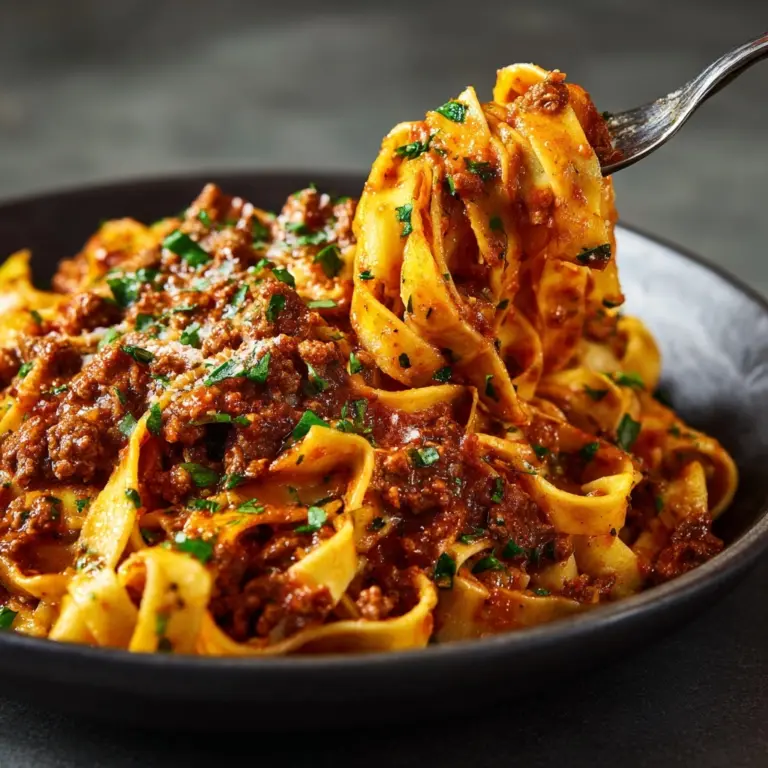
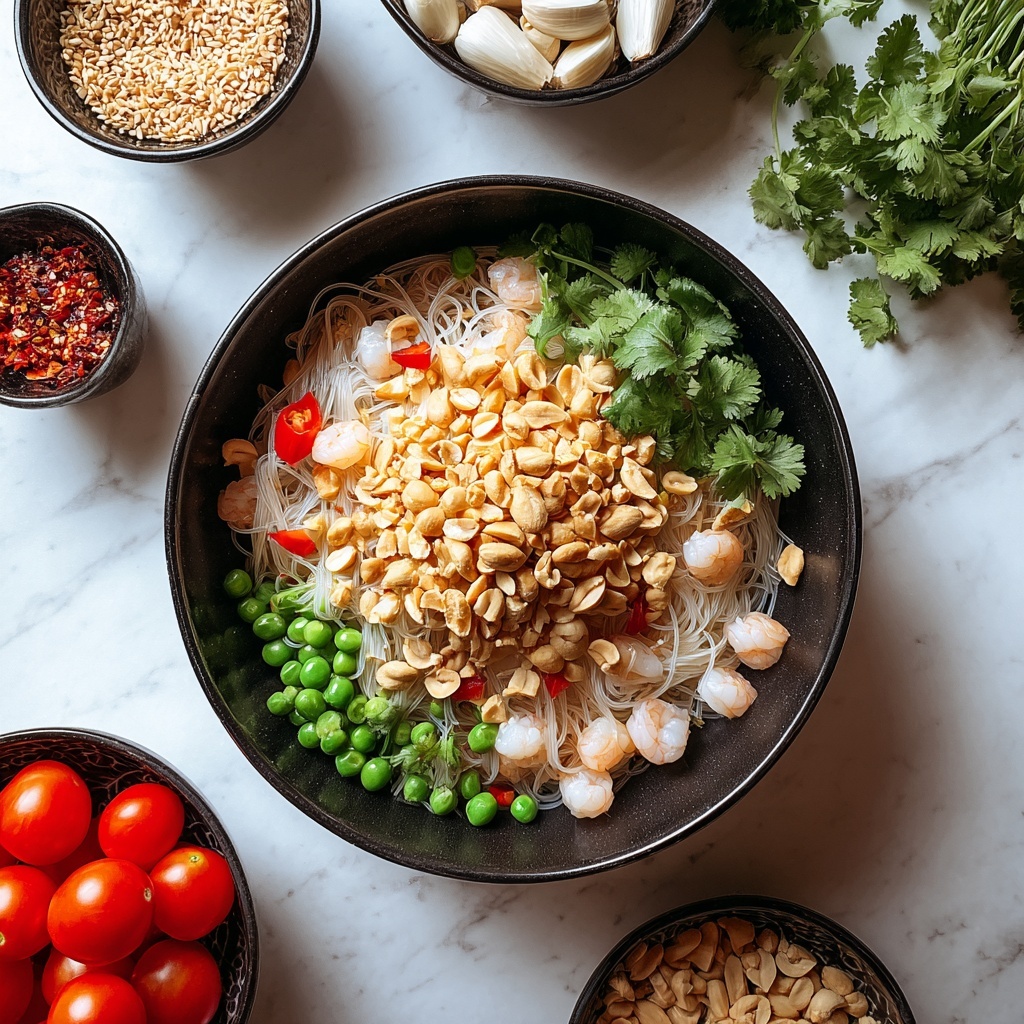
If you have ever craved the vibrant flavors of Thailand’s street food but wanted to enjoy it from the comfort of your own kitchen, this Homemade Pad Thai Recipe is your new best friend. It perfectly balances sweet, salty, sour, and umami notes while offering a delightful mix of textures from tender rice noodles, crunchy peanuts, and fresh bean sprouts. This dish isn’t just a meal; it’s an experience that brings colorful ingredients and authentic boldness right to your plate – and makes any weeknight feel special.
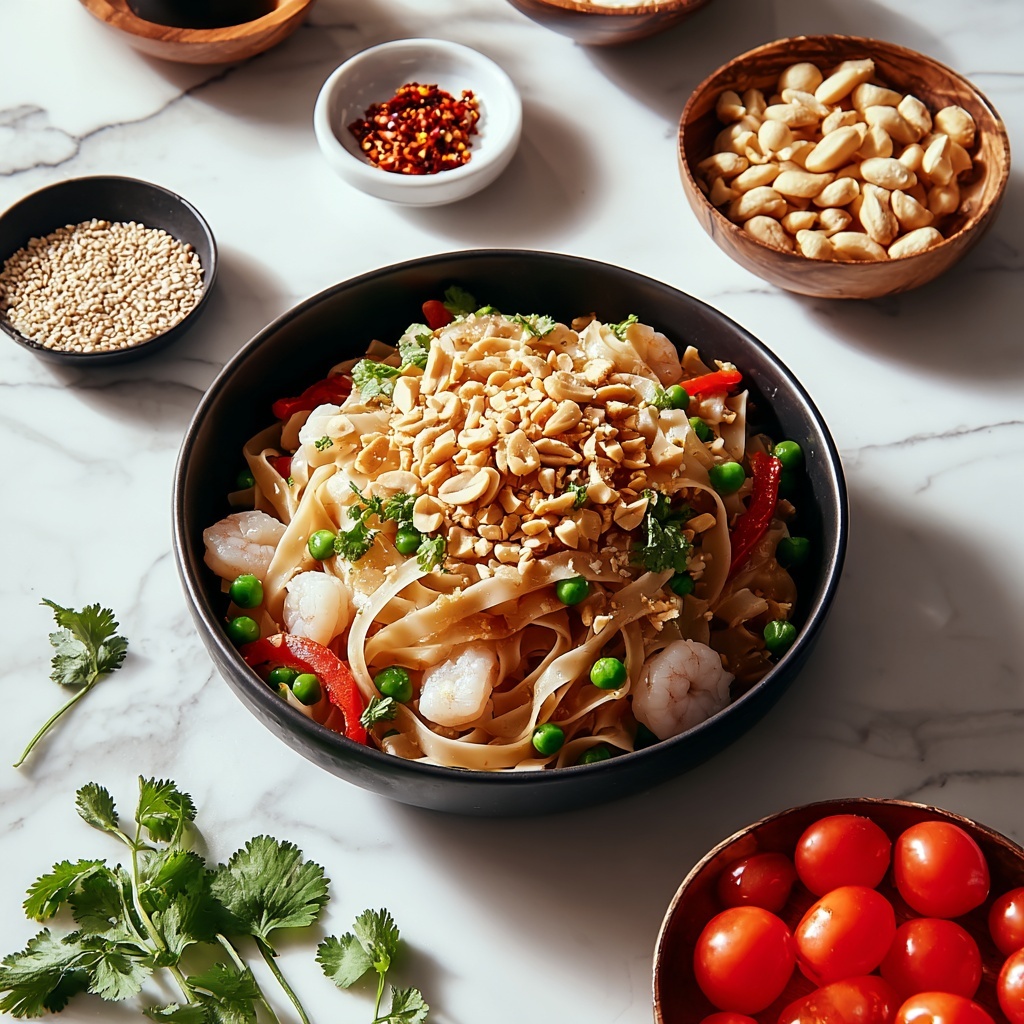
Ingredients You’ll Need
These ingredients are straightforward yet absolutely essential to capture the authentic taste and satisfying texture of this classic street food favorite. Each element adds its own unique punch, whether it’s the tangy brightness of lime or the silky softness of tofu.
- 8 oz rice noodles: The chewy base that soaks up the sauce perfectly and delivers that iconic texture.
- 2 tablespoons vegetable oil: A neutral oil ideal for stir-frying without overpowering the dish’s flavors.
- 2 cloves garlic, minced: Provides aromatic depth and a subtle kick that wakes up the palate.
- 1 red bell pepper, thinly sliced: Adds a sweet crunch and vibrant color.
- 1 carrot, shredded: Brings a touch of natural sweetness and bright orange hue.
- 1/2 cup tofu, cubed: Protein-packed and lightly browned for a satisfying bite.
- 2 eggs, lightly beaten: Adds richness and soft custard-like pieces throughout.
- 1/4 cup soy sauce: The salty backbone that balances all the other flavors.
- 2 tablespoons fish sauce: Essential for authentic umami and that unmistakable Pad Thai depth.
- 2 tablespoons brown sugar: Sweetens the sauce and helps caramelize the noodles slightly.
- 1 tablespoon rice vinegar: Provides a subtle sour note to brighten the dish.
- 1/2 cup bean sprouts: Offers crisp freshness and a clean contrast to the savory sauce.
- 3 green onions, sliced: Adds a mild onion flavor and fresh color.
- 1/4 cup peanuts, chopped: Delivers the signature crunch and nutty aroma.
- Lime wedges, for serving: For that final zesty squeeze that makes every bite pop.
How to Make Homemade Pad Thai Recipe
Step 1: Soften the Noodles
Start by soaking the rice noodles in warm water until they become tender and pliable according to the package instructions. This step is critical because it prevents the noodles from sticking together and ensures they cook evenly when stir-fried. Once softened, drain and set them aside for later.
Step 2: Heat the Oil and Sauté Garlic
Warm your vegetable oil in a large wok or skillet over medium-high heat. Toss in the minced garlic and let it cook for about 30 seconds until it releases its fragrant aroma. This tiny step infuses the oil and builds a flavorful base for the dish.
Step 3: Add the Veggies
Next, toss in the thinly sliced red bell pepper and shredded carrot. Stir-fry them for 2 to 3 minutes until they soften slightly but still retain a fresh crunch. These vibrant vegetables add both texture and essential sweetness, painting the dish with color and vitality.
Step 4: Brown the Tofu
Push the vegetables to one side and add the cubed tofu on the other. Let the tofu cook undisturbed until it develops a nice golden-brown crust all around. This adds a delicious savory depth and a contrasting texture to the soft noodles and veggies.
Step 5: Scramble the Eggs
Once the tofu is browned, move it over to join the vegetables, then pour the beaten eggs into the empty space. Stir the eggs gently until they are fully cooked but still tender and slightly fluffy. These little pockets of egg enrich the dish with creaminess.
Step 6: Add Noodles and Sauce
Throw the drained rice noodles into the wok followed by soy sauce, fish sauce, brown sugar, and rice vinegar. Toss everything vigorously to combine and coat the noodles evenly. The harmony of salty, sweet, and tangy flavors melds beautifully here, transforming simple noodles into a sensational meal.
Step 7: Finish with Fresh Ingredients
Finally, stir in the crisp bean sprouts, bright green onions, and crunchy chopped peanuts. These fresh ingredients provide that unmistakable textural contrast and add layers of flavor that make Homemade Pad Thai Recipe so uniquely crave-worthy.
How to Serve Homemade Pad Thai Recipe
Garnishes
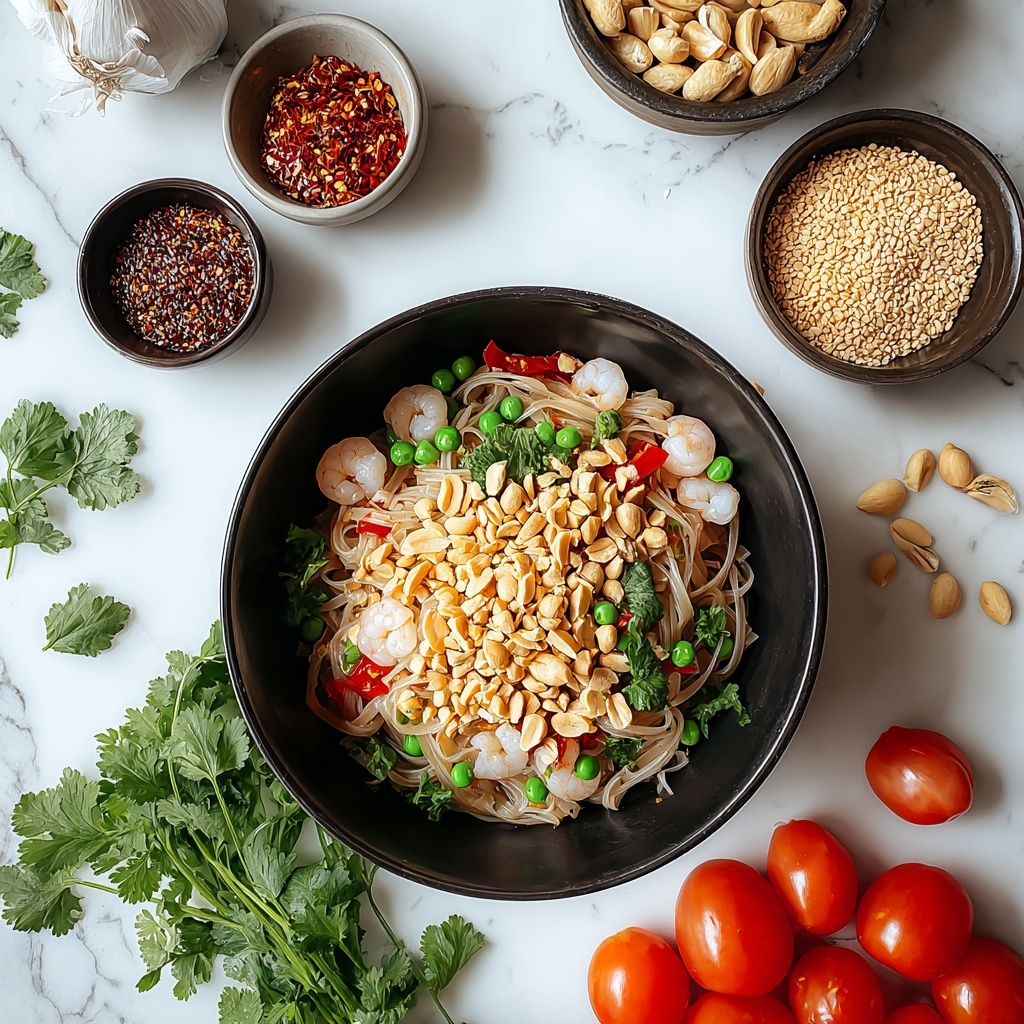
Serve your Homemade Pad Thai Recipe with lime wedges on the side so everyone can squeeze on fresh citrus juice to taste. This acid lift brightens the dish and balances the richness perfectly. For extra flair, sprinkle on some additional chopped peanuts or a handful of fresh cilantro.
Side Dishes
Pair your Pad Thai with light and fresh sides like a simple cucumber salad or steamed Asian greens tossed in a little sesame oil and soy sauce. These sides add refreshing crunches and keep the meal balanced and satisfying without overwhelming any of the main flavors.
Creative Ways to Present
If you want to impress guests, try serving the homemade noodles artistically curled on the plate with toppings arranged neatly on top. Alternatively, stuff the Pad Thai into lettuce cups for a fun handheld bite or wrap it in rice paper rolls for a fusion twist. Presentation can elevate your Homemade Pad Thai Recipe from everyday dinner to a memorable culinary experience.
Make Ahead and Storage
Storing Leftovers
After your feast, store any leftovers in an airtight container in the refrigerator. The flavors tend to deepen overnight, making the next-day meal just as enjoyable. Aim to consume within 2 to 3 days to maintain optimum freshness.
Freezing
While freezing is possible, it’s not ideal for Pad Thai because the texture of rice noodles and tofu can become mushy. If you must freeze, separate the noodles from fresh garnishes and freeze only the stir-fried base. Thaw thoroughly before reheating.
Reheating
To reheat, gently warm the Pad Thai in a skillet over low heat with a splash of water or oil to restore moisture. Avoid microwaving as it can dry out the dish and make the noodles clump together. Stir occasionally until heated through and fresh tasting.
FAQs
Can I make this Homemade Pad Thai Recipe vegetarian or vegan?
Absolutely! To keep it vegetarian or vegan, simply omit the fish sauce or replace it with additional soy sauce or a vegan-friendly seasoning. Also, make sure the tofu and other ingredients are free from animal products. This dish adapts beautifully.
What type of rice noodles should I use?
Look for flat, dry rice noodles around 1/4-inch wide, often labeled “Pad Thai noodles” or “medium rice sticks.” These noodles soak up the sauce perfectly without falling apart, giving you the authentic chewy bite that makes the dish special.
Is it okay to substitute chicken or shrimp for tofu?
Yes! Feel free to swap tofu for your favorite protein like chicken, shrimp, or even tempeh. Just make sure to cook the protein fully before adding the eggs and noodles for best texture and flavor integration.
How can I adjust the flavors to suit my taste?
This Homemade Pad Thai Recipe is super flexible. If you prefer it sweeter, add a bit more brown sugar. For extra tang, increase the rice vinegar or lime juice. And if you like spice, toss in some crushed red pepper flakes or fresh chili for a kick.
Is it difficult to cook Pad Thai at home?
Not at all! While it might seem intimidating, once you have the ingredients prepared and know the steps, this Homemade Pad Thai Recipe is straightforward and quick. It’s all about layering flavors and cooking components in the right order for that authentic taste.
Final Thoughts
Making your own Homemade Pad Thai Recipe is like unlocking a treasure chest of flavors that you can customize and enjoy anytime. It’s a dish that brings warmth, color, and joy to your table with simple ingredients and easy steps. Give this recipe a try and discover how fun and rewarding homemade Thai cooking can be.
Print
Homemade Pad Thai Recipe
- Prep Time: 20 minutes
- Cook Time: 15 minutes
- Total Time: 35 minutes
- Yield: 4 servings
- Category: Main Course
- Method: Stovetop
- Cuisine: Thai
- Diet: Vegetarian
Description
This Homemade Pad Thai recipe offers a flavorful and authentic Thai noodle dish cooked with fresh vegetables, tofu, and a perfect balance of savory sauces. Quick to prepare and cook, it combines stir-fried rice noodles with crunchy peanuts, tangy lime, and classic Pad Thai seasoning for a delightful meal any day of the week.
Ingredients
Pad Thai Ingredients
- 8 oz rice noodles
- 2 tablespoons vegetable oil
- 2 cloves garlic, minced
- 1 red bell pepper, thinly sliced
- 1 carrot, shredded
- 1/2 cup tofu, cubed
- 2 eggs, lightly beaten
- 1/4 cup soy sauce
- 2 tablespoons fish sauce
- 2 tablespoons brown sugar
- 1 tablespoon rice vinegar
- 1/2 cup bean sprouts
- 3 green onions, sliced
- 1/4 cup peanuts, chopped
- Lime wedges, for serving
Instructions
- Soften Noodles: Soak the rice noodles in warm water as per the package instructions until they become soft and pliable. Drain well and set aside for later use.
- Heat Oil and Garlic: In a large wok or skillet, heat the vegetable oil over medium-high heat. Add the minced garlic and sauté for about 30 seconds until fragrant, taking care not to burn it.
- Cook Vegetables: Add the thinly sliced red bell pepper and shredded carrot to the wok. Stir-fry the vegetables for 2-3 minutes until they are slightly softened but still retain some crunch.
- Brown Tofu: Move the vegetables to one side of the wok. Place the cubed tofu on the other side and cook, turning occasionally, until the tofu is lightly browned on all sides.
- Scramble Eggs: Combine the tofu and vegetables to one side, then pour the lightly beaten eggs into the empty space. Scramble the eggs gently until they are fully cooked.
- Add Noodles and Sauces: Add the soaked rice noodles to the wok, followed by the soy sauce, fish sauce, brown sugar, and rice vinegar. Toss everything together continuously until the noodles are evenly coated and heated through.
- Finish with Fresh Ingredients: Stir in the bean sprouts, sliced green onions, and chopped peanuts. Mix well to combine all the flavors.
- Serve: Serve the Pad Thai hot, accompanied by lime wedges on the side for squeezing over the noodles before eating. Enjoy this delicious and authentic homemade dish!
Notes
- Soaking the rice noodles properly is key to texture; do not over-soak to avoid mushy noodles.
- Adjust the amount of fish sauce and soy sauce to your preferred saltiness level.
- For a vegetarian version, use soy sauce only or substitute fish sauce with a vegetarian alternative.
- Fresh lime wedges add brightness and are an essential flavor enhancer for Pad Thai.
- Use a wok or a large skillet to allow easy tossing and even cooking.
- Optional: Add protein like shrimp or chicken if desired.