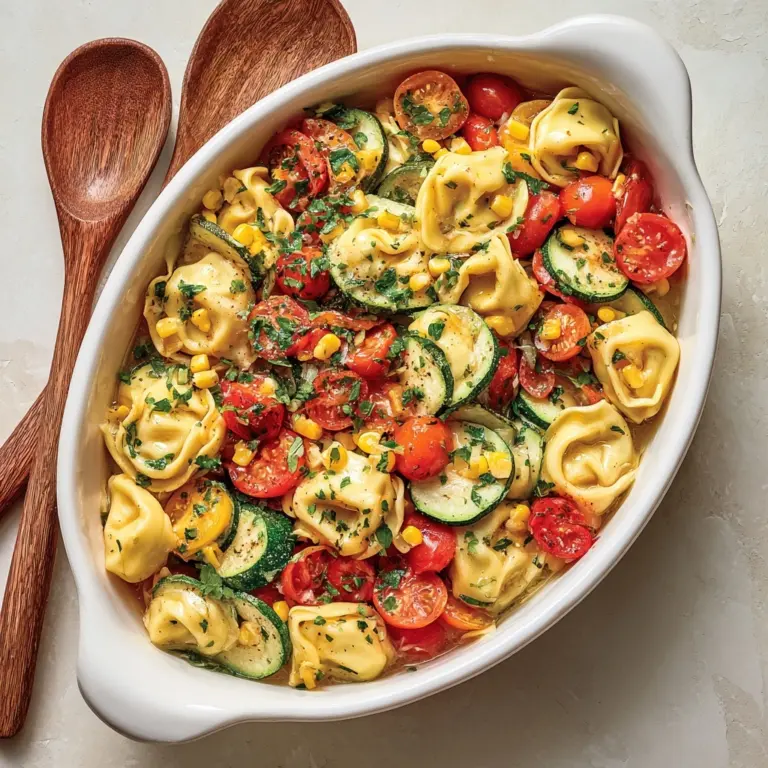
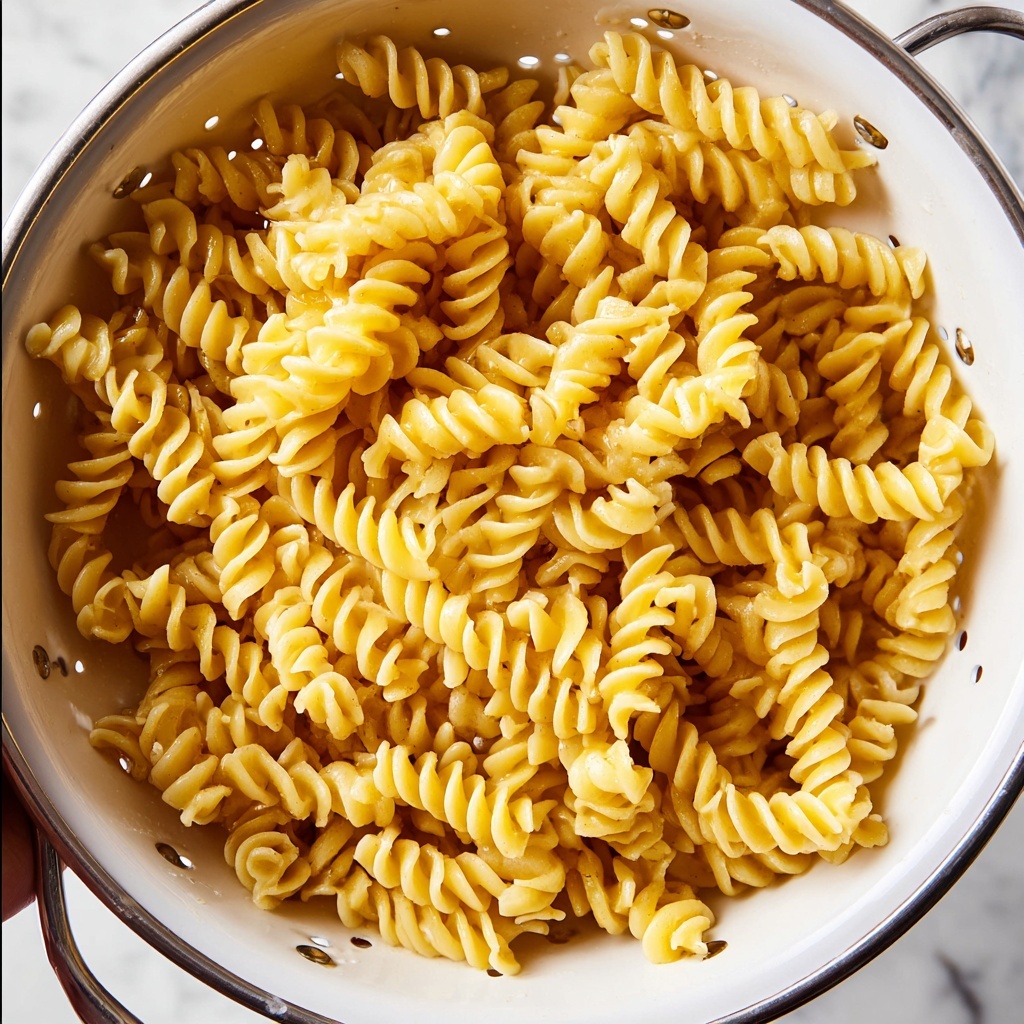
If you’ve ever wondered how to get that perfect texture and flavor in your pasta every single time, you’re in the right place. This How to Cook Perfect Pasta Recipe is a simple yet essential guide that will elevate your pasta game with just a few straightforward steps, turning plain noodles into a sensational, satisfying dish. Whether it’s for a quick weeknight dinner or a fancy gathering, mastering this technique means delicious, perfectly cooked pasta is always within your reach.
Ingredients You’ll Need
When it comes to cooking pasta, the ingredients are refreshingly simple but each one plays a crucial role in the taste and texture of the final dish. Using quality basics ensures your pasta cooks evenly and tastes just right.
- 6 quarts water: Plenty of water allows the pasta to move freely and cook evenly without sticking together.
- 1 ½ tablespoons salt: Salt seasons the pasta from within, enhancing its flavor beautifully.
- 1 pound dry pasta: Your choice of shape and type—each brings its own texture and personality to the dish.
How to Make How to Cook Perfect Pasta Recipe
Step 1: Bring Water to a Boil
Start by filling a large pot—ideally 8 to 9 quarts—with water and cover it to bring it to a rapid boil over high heat. This ensures the water heats quickly and evenly, making sure your pasta doesn’t get mushy.
Step 2: Maintain a Rolling Boil
Once boiling, remove the lid and let the water boil vigorously for another minute. This rolling boil is critical because it helps the pasta cook evenly and prevents clumping.
Step 3: Add Salt and Pasta
Stir in the salt carefully, allowing it to dissolve completely before adding your dry pasta. Add the pasta slowly, stirring immediately with a wooden spoon to prevent the strands or shapes from sticking together or to the bottom of the pot.
Step 4: Boil and Check for Doneness
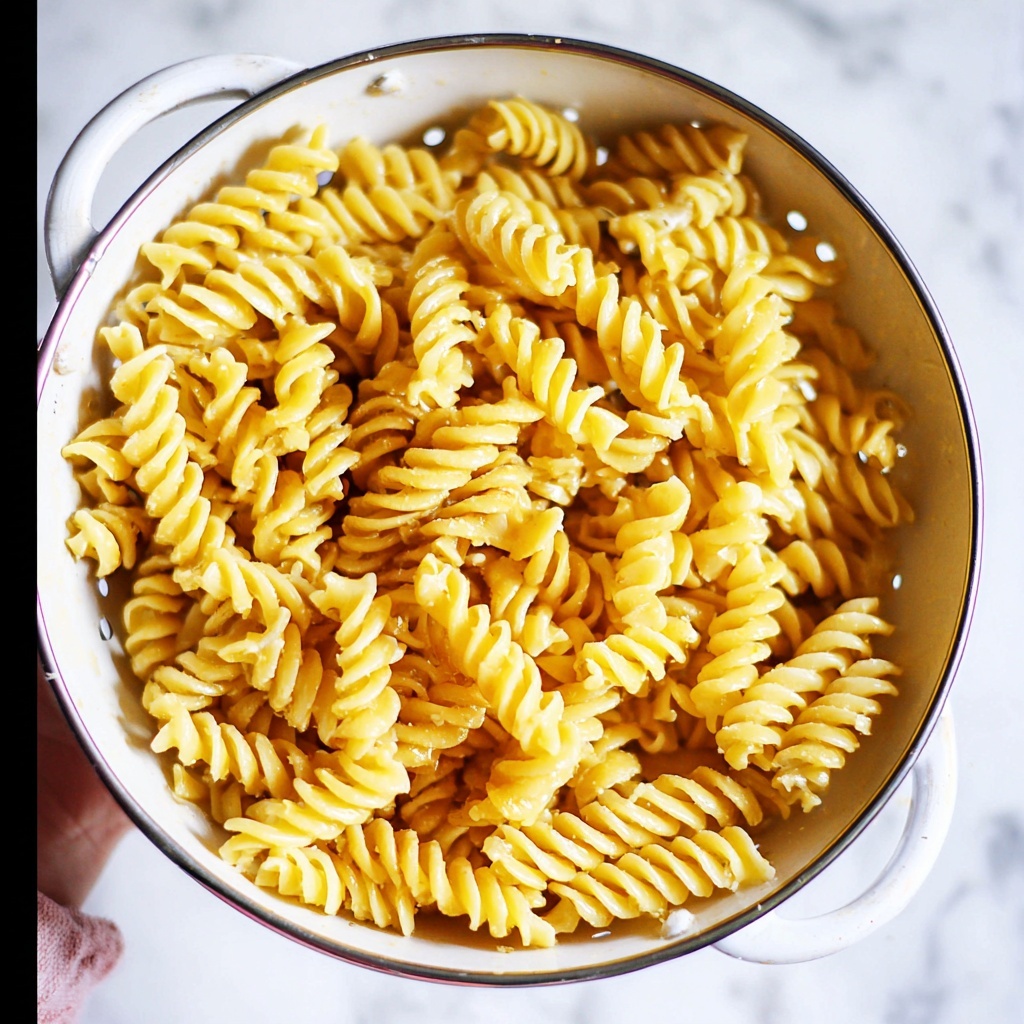
Reduce the heat slightly to keep a lively boil but avoid spillage. Start tasting the pasta two minutes before the package’s recommended cooking time; check every minute after that until it reaches perfect al dente – tender but with a slight bite.
Step 5: Drain and Rinse if Needed
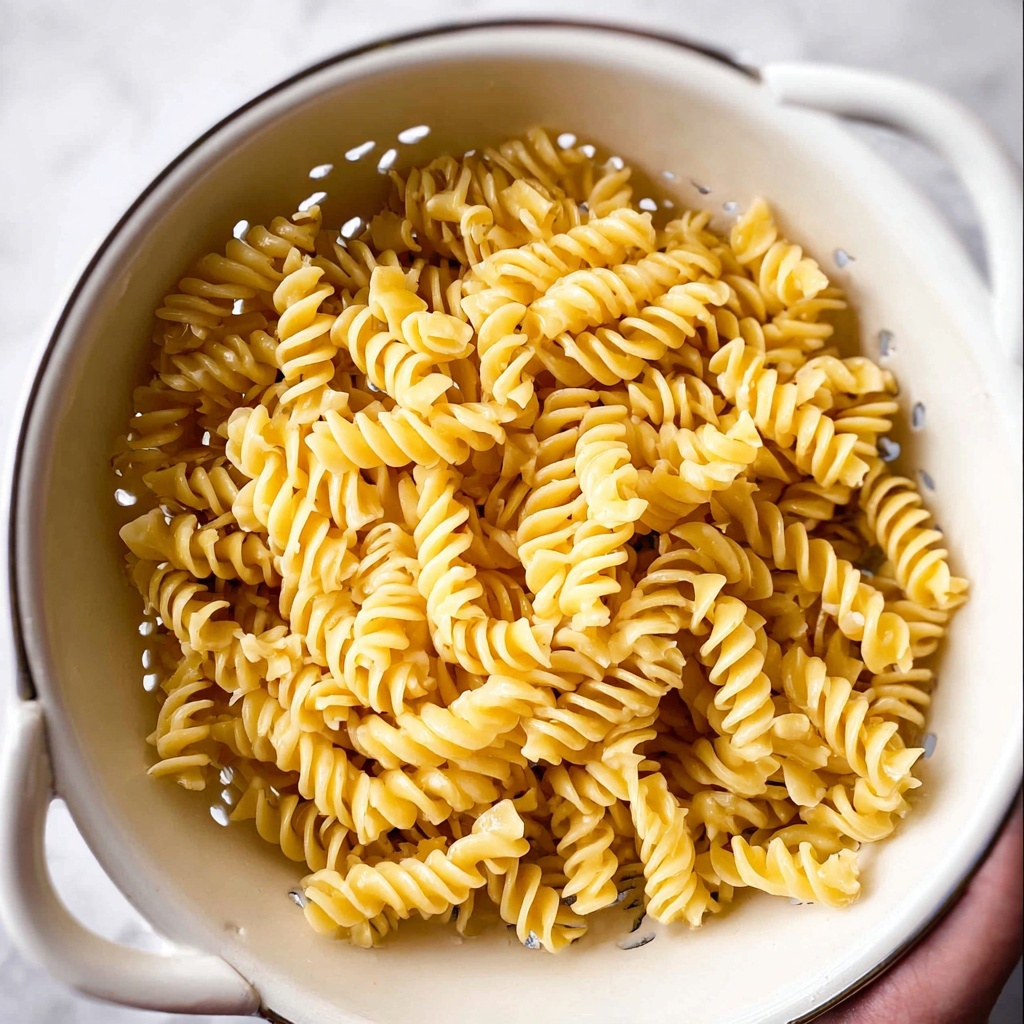
Drain the pasta well. If you’re serving it hot with a sauce, no need to rinse. But for cold dishes like pasta salads, rinse the pasta immediately under cold water for a minute or two to stop the cooking process and cool it thoroughly.
How to Serve How to Cook Perfect Pasta Recipe
Garnishes
Add fresh herbs like basil or parsley, a shower of grated Parmesan cheese, and a drizzle of good olive oil for bursts of flavor and visual appeal. A sprinkle of crushed red pepper flakes can add a lovely kick if you enjoy heat.
Side Dishes
This perfectly cooked pasta pairs wonderfully with a fresh green salad, garlic bread, or roasted vegetables. These sides complement the pasta’s texture and flavor without overpowering the simplicity that makes this How to Cook Perfect Pasta Recipe a classic.
Creative Ways to Present
Try twisting the pasta into neat nests on a platter or layering it in a clear glass baking dish with sauce, cheese, and herbs for a stunning presentation. For a casual twist, toss the pasta in a colorful bowl alongside vibrant seasonal veggies and proteins.
Make Ahead and Storage
Storing Leftovers
Store any leftover pasta in an airtight container in the refrigerator for up to 3 days. Toss it lightly with olive oil before storing to prevent sticking, and keep it separate from any sauce if possible.
Freezing
While freshly cooked pasta is best enjoyed immediately, you can freeze cooked pasta by spreading it on a baking sheet, freezing until firm, then transferring to a freezer-safe bag. Use within 1-2 months for best quality.
Reheating
Reheat leftover pasta gently in a saucepan over low heat with a splash of water or sauce to loosen it, or warm it briefly in the microwave, stirring halfway through to ensure even heating.
FAQs
Do I really need to use so much water?
Yes! Using plenty of water prevents the pasta from sticking together and helps it cook evenly. It also keeps the temperature stable as you add pasta, which is key to this How to Cook Perfect Pasta Recipe.
Why is salting the water important?
Salt seasons the pasta inside and out. Without it, your pasta will taste bland even once sauced, so it’s an essential step you shouldn’t skip.
Can I use olive oil in the boiling water?
Adding oil to the water isn’t recommended because it can make the pasta slippery and prevent sauce from sticking properly. Stirring frequently is a better way to avoid sticking.
How do I know when pasta is perfectly cooked?
Taste testing is your best indicator. The pasta should be tender but still firm to the bite, also known as al dente. This texture holds up well when mixed with sauces or baked.
Should I rinse pasta after cooking?
Only rinse pasta if you’re using it in a cold dish like a pasta salad, to stop the cooking and cool it down. If serving hot, ask the sauce to do the flavor work and skip rinsing.
Final Thoughts
I can’t encourage you enough to try this How to Cook Perfect Pasta Recipe—once you master these simple steps, you’ll wonder how you ever cooked pasta any other way. It’s all about respecting the basics and paying attention to those little details that turn an everyday meal into something truly special. So boil that water, add your favorite pasta, and get ready to impress everyone at your table!
Print
How to Cook Perfect Pasta Recipe
- Prep Time: 5 minutes
- Cook Time: 10 minutes
- Total Time: 15 minutes
- Yield: 8 to 8 servings
- Category: Main Dish
- Method: Boiling
- Cuisine: Italian
Description
This classic pasta cooking method ensures perfectly cooked pasta every time, whether you’re preparing it for a hot dish or a cold pasta salad. By following a few simple steps—boiling water with salt, adding pasta carefully, and monitoring the cooking time—you’ll achieve ideal texture and flavor. This versatile technique is a staple for any kitchen, making it easy to prepare pasta for any cuisine or sauce.
Ingredients
Ingredients
- 6 quarts water
- 1 ½ tablespoons salt
- 1 pound dry pasta
Instructions
- Boil Water: Place 6 quarts of water in a large pot (8-9 quart recommended for 1 pound pasta). Cover and bring to a boil over high heat to ensure ample water for the pasta to cook evenly.
- Achieve Rolling Boil: Remove the lid and let the water boil for one additional minute, ensuring a vigorous rolling boil before adding salt and pasta.
- Add Salt and Pasta: Carefully add 1 ½ tablespoons of salt to the boiling water and stir with a wooden spoon. Then carefully add the dry pasta to the boiling water, stirring gently to prevent the pasta from sticking together or to the bottom of the pot.
- Cook Pasta: Boil the pasta uncovered on a heat setting just below high, maintaining an enthusiastic boil without spilling over. Begin checking the pasta for doneness about 2 minutes before the package’s recommended cooking time, then check every minute until the desired texture is reached.
- Drain and Serve: Drain the cooked pasta in a colander. If serving hot, use immediately with your favorite sauce. For cold pasta dishes like salads, rinse the pasta under cold water for 1-2 minutes, tossing in the colander to cool and stop further cooking.
Notes
- Use a large pot to ensure enough water volume for even cooking and to prevent pasta from sticking.
- Adding salt to the water seasons the pasta internally, enhancing flavor.
- Stir pasta immediately after adding to prevent clumping.
- Monitoring cooking times closely prevents overcooking and mushy pasta.
- Rinsing pasta for cold dishes removes excess starch and cools pasta quickly.