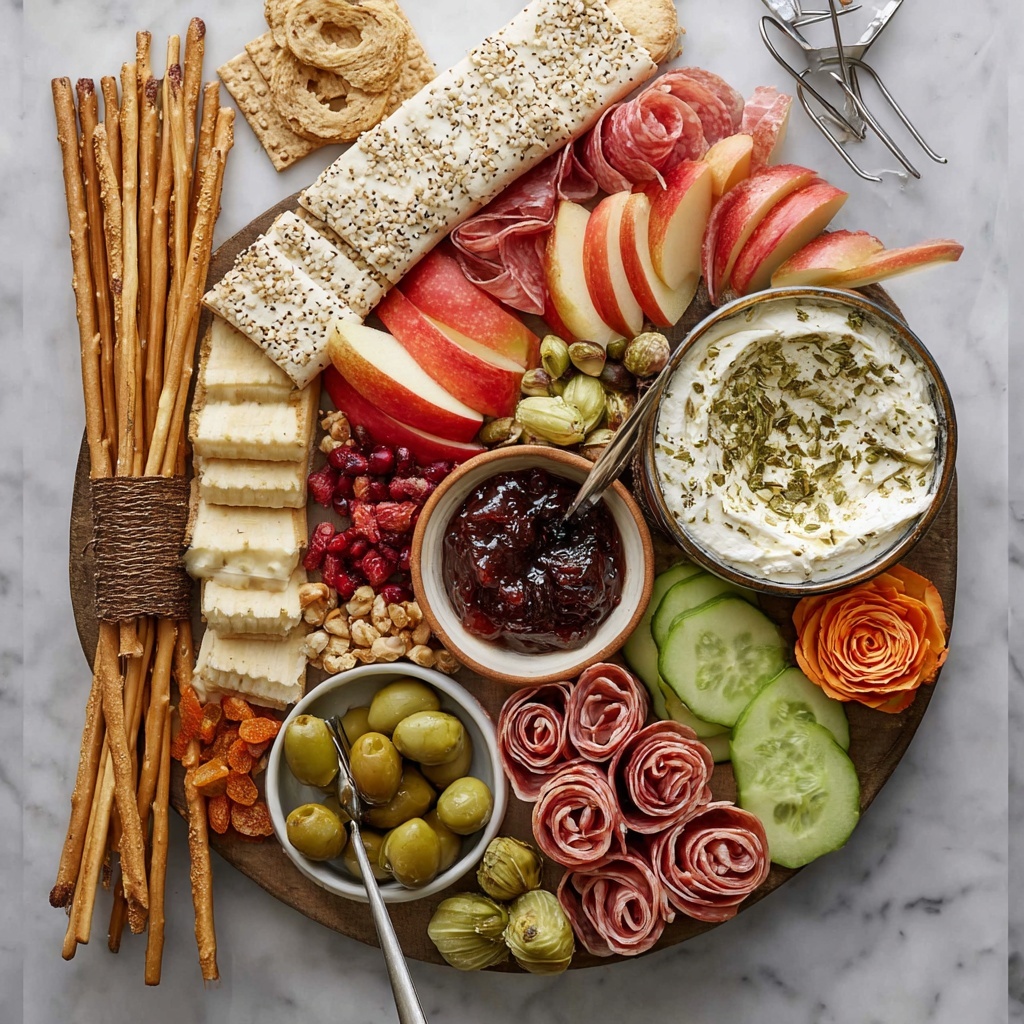
If you’ve ever wondered how to bring a stunning, irresistible, and utterly delicious spread together, then you’re in the right place. Learning How to Make a Charcuterie Board Recipe is not only about combining meats and cheeses but creating a vibrant, visually captivating centerpiece that excites the palate and invites conversation. This recipe walks you through crafting a board filled with an irresistible medley of flavors, textures, and colors, perfect for any occasion where you want to impress without the stress.
Ingredients You’ll Need
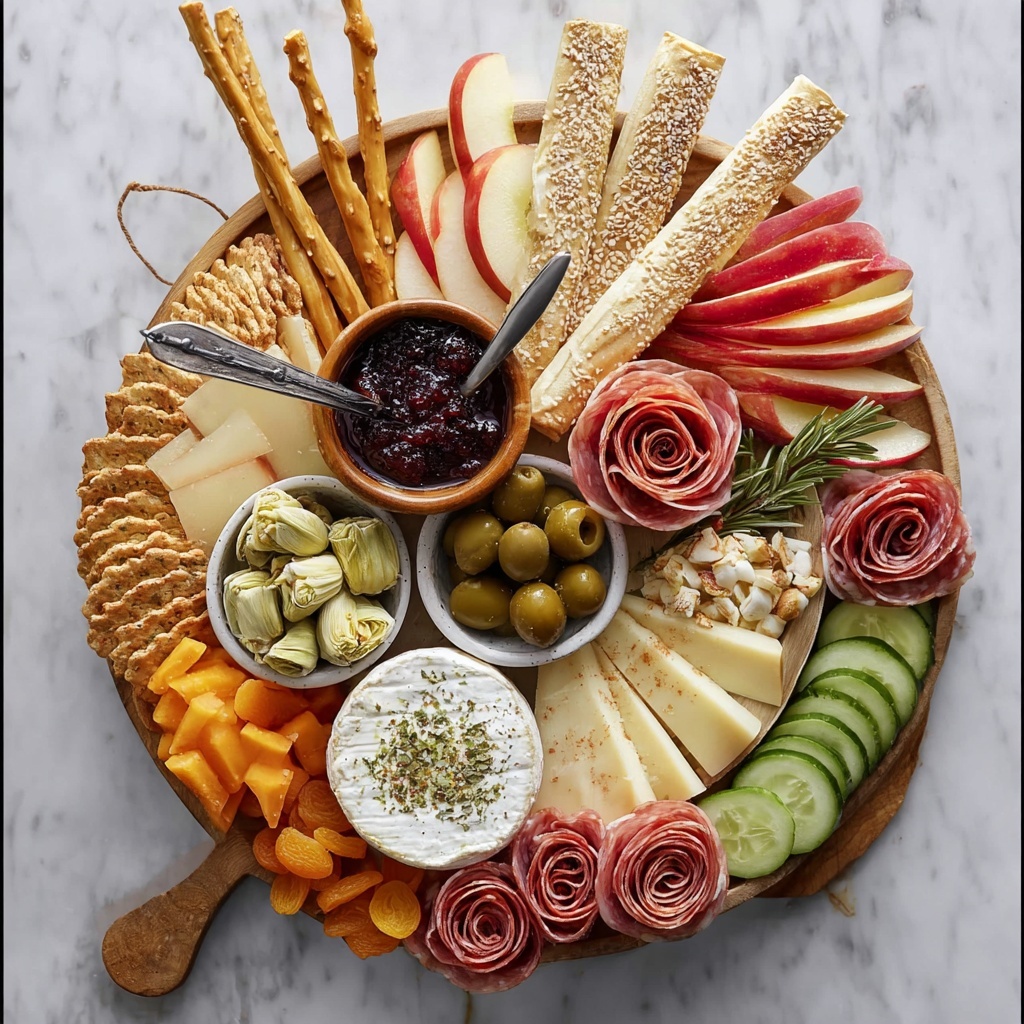
The beauty of this charcuterie board is in its simplicity and diversity. Each ingredient offers its own unique personality—some bring creaminess, others add a satisfying crunch, while bright pops of color make the presentation truly irresistible.
- Honey: A natural sweetener that pairs beautifully with cheeses, adding a touch of golden richness.
- Hummus: Creamy and savory, it offers a plant-based spread option that is fresh and flavorful.
- Whole-grain mustard: Adds a tangy, slightly spicy kick to complement meats and cheeses.
- Herb cream cheese dip: Brings a herby softness that pairs perfectly with crunchy crackers.
- Veggie dip: A fresh, cooling foil to bolder flavors on the board.
- Pepper jelly dip: Sweet and spicy, it adds an unexpected zing to your tasting experience.
- Artichokes, peppers, pickles, olives, and pickled beets: Each veggie adds texture and sharpness, cutting through richness.
- Herb marinated mozzarella: Soft and flavorful, it’s a wonderful creamy counterpoint to firmer cheeses.
- Parmesan, aged cheddar, Manchego, Brie, Gouda, Blue Cheese, fresh mozzarella, Ricotta, Boursin cheese: A diverse cheese lineup offering everything from sharp and nutty to mild and creamy.
- Summer sausage, salami, prosciutto, chorizo, mortadella, pancetta: A mix of cured meats that provide a variety of smoky, spicy, and rich flavors.
- Crackers, breadsticks, baguette slices, pretzels, pita chips: Different textures and tastes in your bread components make each bite exciting.
- Dried apricots, figs, cherries, cranberries: Natural sweetness and chewy texture to balance savory items.
- Chocolate-covered fruit and chocolate-covered caramels: Indulge your sweet tooth with these perfect finishing touches.
- Almonds, cashews, pistachios, walnuts: Crunchy nuts to add texture and nutty undertones.
- Carrots, bell peppers, cucumbers, apple slices, fresh berries, grapes: Fresh fruits and vegetables bring brightness and crispness.
- Fresh herbs (rosemary, thyme, basil, or parsley): Aromatic herbs add fresh scent and a pop of green.
How to Make How to Make a Charcuterie Board Recipe
Step 1: Organize Your Dips and Spreads
Start your charcuterie board by transferring all dips, spreads, dried fruits, nuts, fresh produce, and brined items into small jars or bowls. Distribute these containers randomly on your board, ensuring they’re spread apart to give visual interest and accessibility. This foundation creates easy grab zones and breaks up the visual space beautifully.
Step 2: Slice and Arrange the Cheeses
Next, cut all cheeses into bite-size pieces or wedges. Place each cheese variety in its own section on the board, allowing each distinct flavor to shine. Be sure to include a mix of hard and soft cheeses for a balanced experience. This makes the tasting journey exciting and easy to navigate for your guests.
Step 3: Prepare and Position the Meats
If needed, slice the cured meats into manageable pieces. Fold or roll them for dimension, and arrange them in separate areas from the cheeses. Having the meats distinctly positioned lets everyone savor the rich smoky, savory notes without mixing confusion.
Step 4: Add Crackers and Breads
Arrange your crackers, breadsticks, baguette slices, pretzels, and pita chips in clusters on the board. The different shapes and textures provide the perfect vehicle for the rich and creamy cheeses and dips. This layering of carbohydrates is essential to a great charcuterie experience.
Step 5: Fill in with Fruits, Nuts, and Veggies
Finally, fill any empty spaces with dried fruits, nuts, fresh vegetables, and fresh herbs. These items add vibrant color, contrasting textures, and fresh flavors, turning your board from a pleasing snack to a feast for the senses.
How to Serve How to Make a Charcuterie Board Recipe
Garnishes
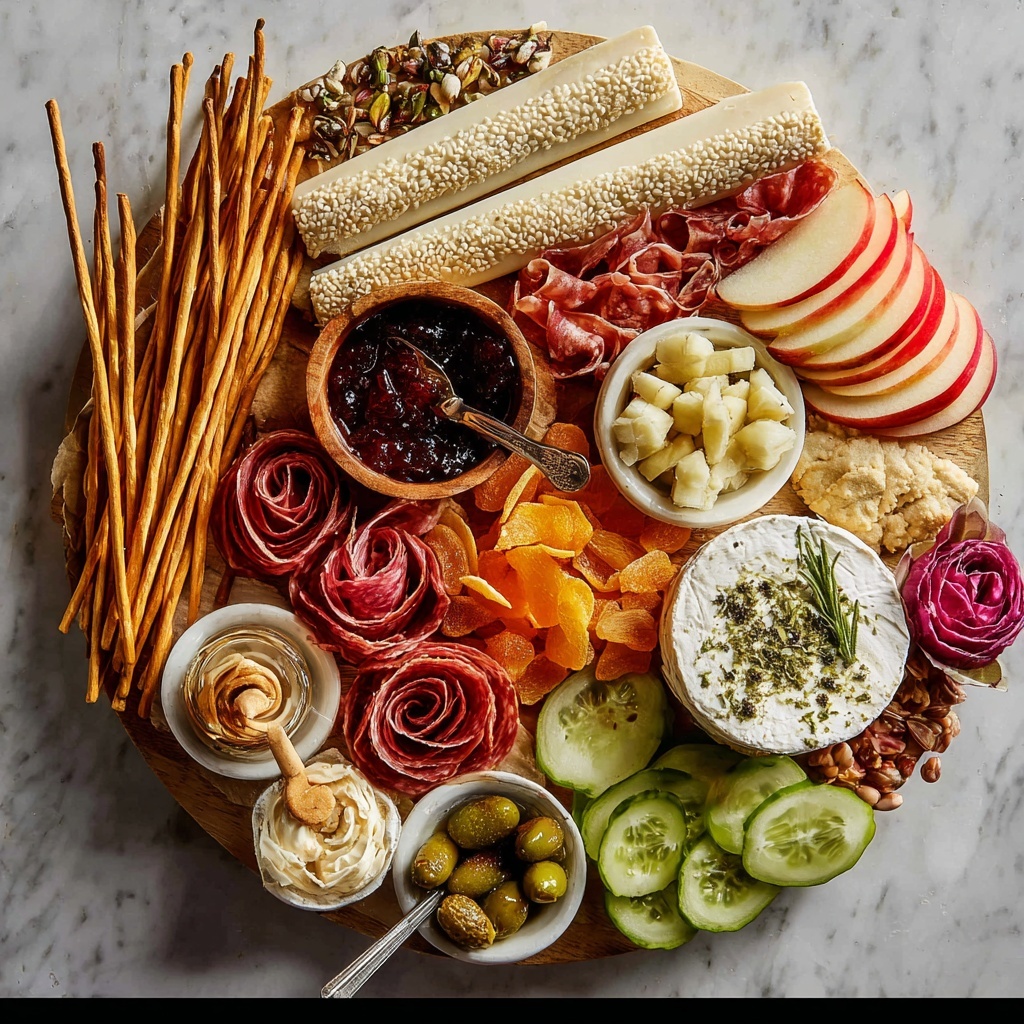
Fresh herbs such as rosemary, thyme, basil, or parsley are perfect garnishes. They add a lovely fragrance and a pop of color, elevating the presentation to irresistible heights. A few drizzles of honey or a sprinkle of cracked pepper over the cheeses can lend a gourmet finishing touch.
Side Dishes
Pair your charcuterie board with simple, complementary side dishes like a light salad with vinaigrette, marinated olives, or pickled vegetables. These enhance the tasting experience by introducing fresh, acidic, or briny notes that balance out the rich meats and cheeses.
Creative Ways to Present
Try using a rustic wooden board, a beautiful marble slab, or even a large slate tile to give your charcuterie board an elegant base. Layer items at different heights by placing bowls on small stands or inverted dishes beneath them. This adds depth and makes the spread feel more abundant and inviting.
Make Ahead and Storage
Storing Leftovers
If you happen to have leftovers, wrap the charcuterie items separately in airtight containers. Cheeses and meats do best when stored chilled but not frozen, while fresh fruits and vegetables should be consumed quickly for optimal freshness.
Freezing
Generally, freezing is not recommended for the entire charcuterie board due to texture changes in fresh ingredients and cheeses. However, some cured meats and harder cheeses can be frozen for short periods; be sure to wrap them tightly and thaw slowly in the refrigerator.
Reheating
Most components of this charcuterie board are meant to be served cold or at room temperature. If you want to warm any bread or crackers, a quick few minutes in a low-temperature oven will refresh them without drying.
FAQs
Can I customize my charcuterie board to suit dietary restrictions?
Absolutely! You can easily swap out any meats for plant-based alternatives, include vegan cheeses, and focus on more fruits, nuts, and dips that fit your needs. The key is to maintain a variety of textures and flavors.
How much food should I prepare per person?
For a standard charcuterie board serving about 12 people, plan for roughly 3 to 4 ounces of cheese and meat per person, plus ample crackers and accompaniments. Adjust quantities based on your guests’ appetites and the number of other dishes served.
What wines pair best with charcuterie boards?
Light reds like Pinot Noir, crisp whites such as Sauvignon Blanc, or sparkling wines pair beautifully with the range of flavors on a charcuterie board. Choose based on your cheeses and meat selections for the best harmony.
Can I prepare the board in advance?
You can prepare and arrange most components a few hours ahead but hold off adding fresh fruits, herbs, and crackers until just before serving to keep everything crisp and fresh.
What are some unique dips to include?
Beyond the classics like hummus and mustard, consider adding pepper jelly, herb cream cheese, or even flavored ricotta. These unexpected flavors add excitement and variety.
Final Thoughts
Now that you know How to Make a Charcuterie Board Recipe, it’s time to dive in and create your own masterpiece. This is such a fun and flexible way to impress friends and family while celebrating good food and great company. Trust me, once you experience the joy of assembling and sharing this vibrant spread, it will quickly become a go-to for any gathering. Enjoy every bite and the smiles that follow!
Print
How to Make a Charcuterie Board Recipe
- Prep Time: 30 minutes
- Cook Time: 0 minutes
- Total Time: 30 minutes
- Yield: Serves 12
- Category: Appetizer
- Method: No-Cook
- Cuisine: American
Description
Learn how to create a stunning and delicious charcuterie board perfect for gatherings. This guide covers the preparation and arrangement of a variety of meats, cheeses, dips, crackers, fruits, and nuts to impress your guests with an elegant and flavorful spread.
Ingredients
Dips and Spreads
- Honey
- Hummus
- Whole-grain mustard
- Herb cream cheese dip
- Veggie dip
- Pepper jelly dip
Pickled and Marinated Items
- Artichokes
- Peppers
- Pickles
- Olives
- Pickled beets
- Herb marinated mozzarella
Cheeses
- Parmesan
- Aged cheddar
- Manchego
- Brie
- Gouda
- Blue Cheese
- Fresh Mozzarella
- Ricotta
- Boursin cheese
Meats
- Summer sausage
- Salami
- Prosciutto
- Chorizo
- Mortadella
- Pancetta
Crackers and Breads
- Crackers
- Breadsticks
- Baguette slices
- Pretzels
- Pita chips
Dried Fruits and Sweets
- Dried apricots
- Dried figs
- Dried cherries
- Dried cranberries
- Chocolate-covered fruit
- Chocolate-covered caramels
Nuts
- Almonds
- Cashews
- Pistachios
- Walnuts
Fresh Produce and Herbs
- Carrots
- Bell peppers
- Cucumbers
- Apple slices
- Fresh berries
- Grapes
- Fresh herbs (rosemary, thyme, basil, or parsley)
Instructions
- Organize Dips and Small Items: Transfer any dips, spreads, dried fruits, nuts, fresh produce, or brined items into small jars or bowls and place them on the board in random but separated spots to create balance and easy access.
- Slice and Arrange Cheese: Cut all cheese varieties into bite-sized pieces or wedges and arrange each type in its own area on the board for an attractive and organized presentation.
- Prepare and Place Meats: Slice meats into bite-size pieces if necessary. Arrange each type of meat separately on the board, allowing variety and contrast near the cheeses.
- Add Crackers and Bread: Arrange crackers, breadsticks, baguette slices, pretzels, and pita chips in distinct sections around the board so guests have plenty of base options.
- Fill Gaps with Fruits and Nuts: Use the remaining dried fruits, nuts, and fresh fruits and vegetables to fill any empty spaces on the board, creating fullness and adding color and texture diversity.
- Garnish with Fresh Herbs: Scatter fresh herbs such as rosemary, thyme, basil, or parsley around the board for a final touch of aroma and visual appeal.
Notes
- Use a large wooden or slate serving board for the best presentation and ample space.
- Arrange foods in small groups rather than mixing to allow guests to easily select their favorites.
- Include utensils like small forks or toothpicks for easier picking of items like olives or pickles.
- Keep dips refrigerated until just before serving.
- Customize the charcuterie board based on dietary preferences and seasonal ingredients.